AMLA sets the rules for direct EU-level AML supervision
AMLA has finalised how national and EU supervisors will cooperate when selecting and directly supervising major cross-border financial institutions.

What happened
AMLA has published final standards governing its cooperation with national financial supervisors as it prepares to directly supervise selected cross-border financial institutions.
The standards define how institutions will be identified, how supervisory responsibility will move between national and EU level, and how AMLA and national authorities will work together. National supervisors will collect and quality-check the required data, while AMLA will conduct the risk assessment and make the final selection.
When supervisory responsibility changes, the outgoing authority will transfer the institution’s supervisory history to the receiving authority.
Why it matters for KYB teams
This development points toward a more structured and consistent model of AML supervision across the EU.
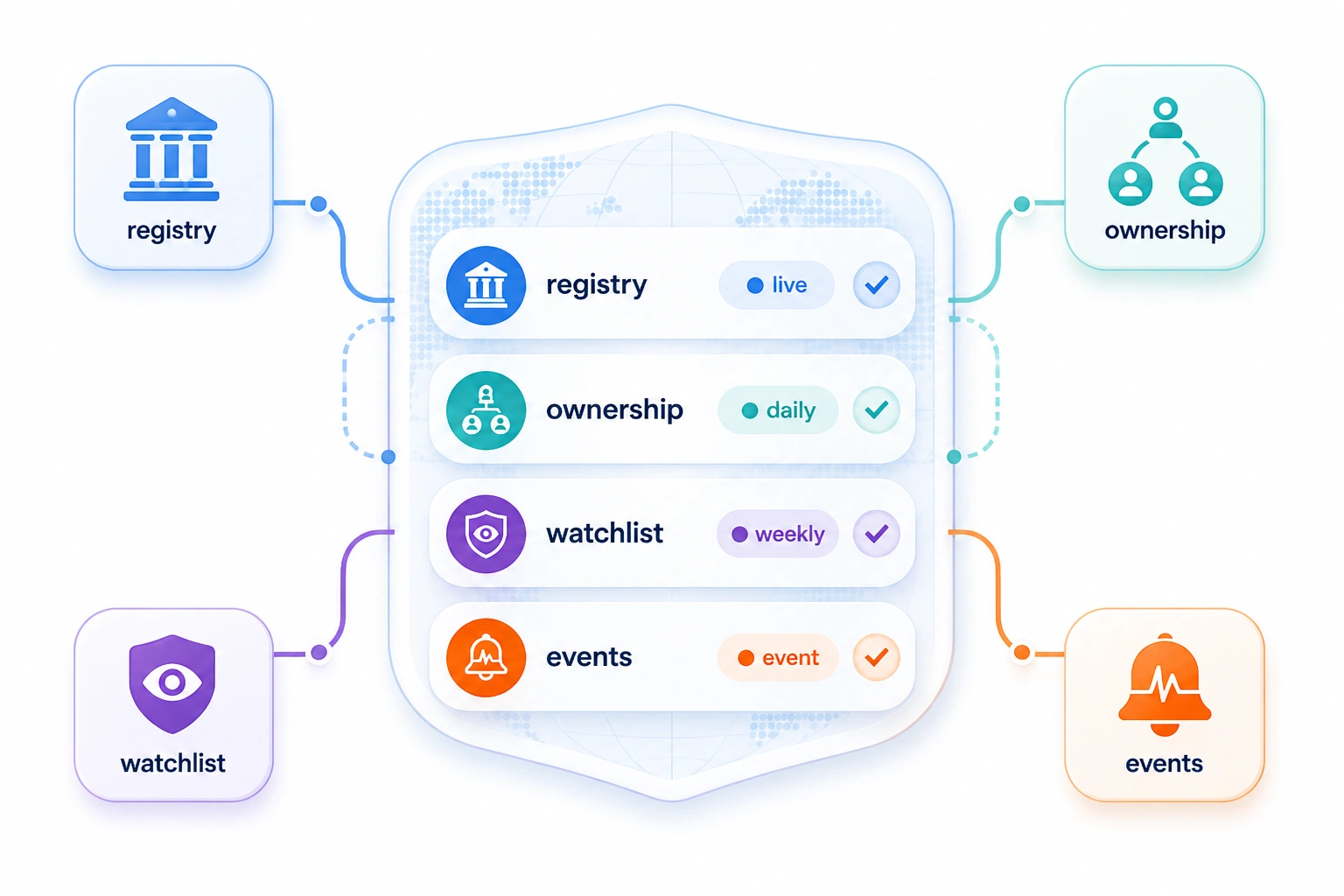
For regulated firms, it raises the importance of maintaining customer and business information in a form that can be reviewed consistently across teams, entities, and jurisdictions. Risk classifications need clear supporting data. Review decisions need traceable rationale. Monitoring updates and supervisory history need to remain connected over time.
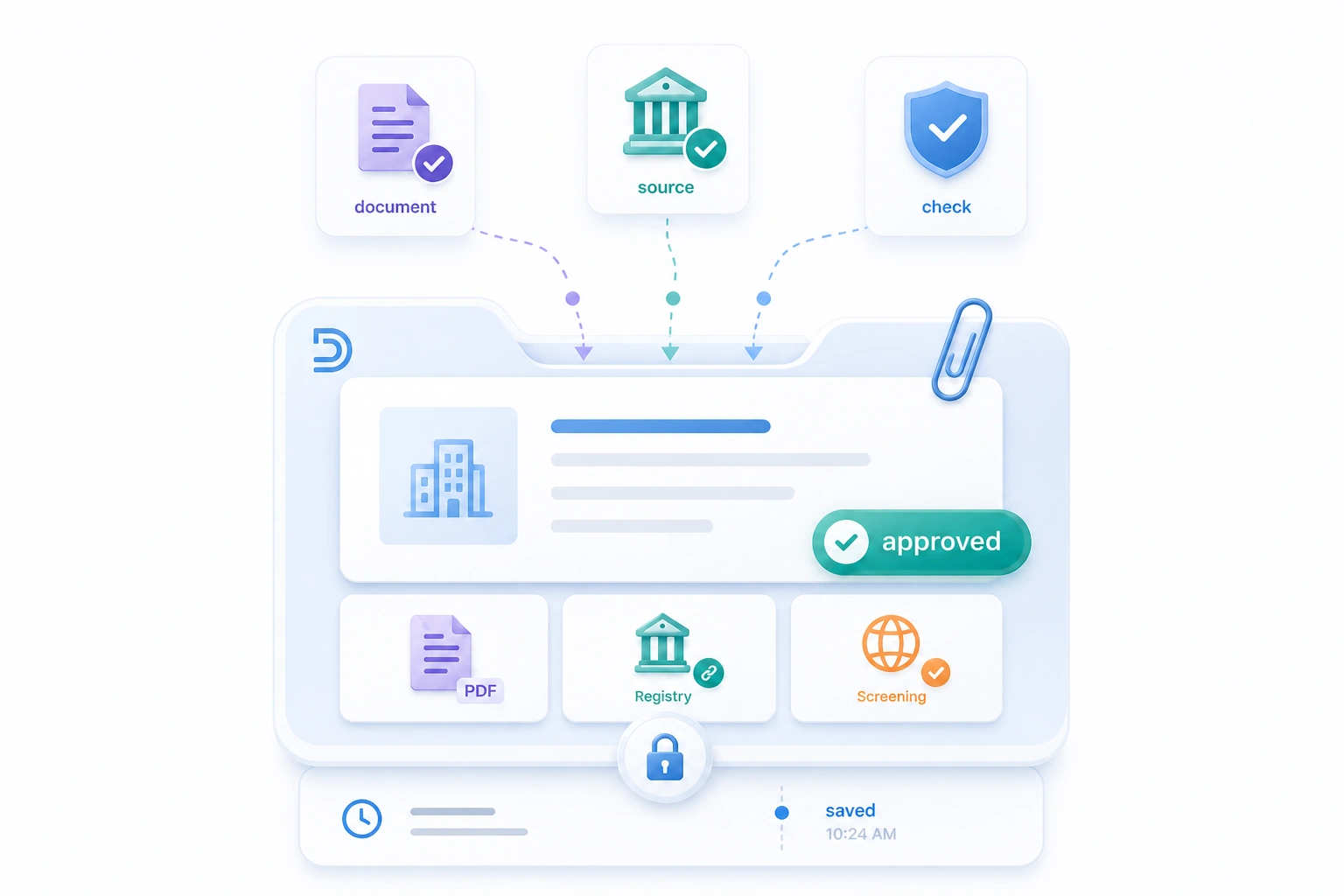
The operational lesson is not simply to collect more information. It is to make data, decisions, and evidence easier to transfer, review, and explain.
What teams should review
- Can business customer risk classifications be traced back to the underlying data and rules?
- Is source information quality-checked before it affects a decision?
- Are monitoring updates connected to the original customer record?
- Can teams reconstruct changes in risk, review status, and rationale over time?
- Could case history be transferred without rebuilding it from emails, spreadsheets, and separate systems?