AMLA’s Ongoing Monitoring Consultation Closes Today
AMLA’s ongoing-monitoring consultation closes today, with draft guidance on customer updates, event-driven reviews and activity monitoring.

What happened
AMLA’s public consultation on its draft guidelines for the ongoing monitoring of business relationships closes 3 September 2026 at 23:59 CEST.
The guidelines are being developed under Article 26(5) of the EU Anti-Money Laundering Regulation and are intended to help obliged entities implement ongoing monitoring requirements in practice. AMLA says the principles are designed to apply across both financial and non-financial sectors using a risk-based and proportionate approach.
The draft is divided into three parts: general principles, guidance on keeping customer information up to date, and a transaction and activity monitoring framework. AMLA describes ongoing monitoring as maintaining a current understanding of the business relationship after onboarding, including updating customer information and identifying unusual or suspicious transactions or activities over time.
Why it matters for KYB teams
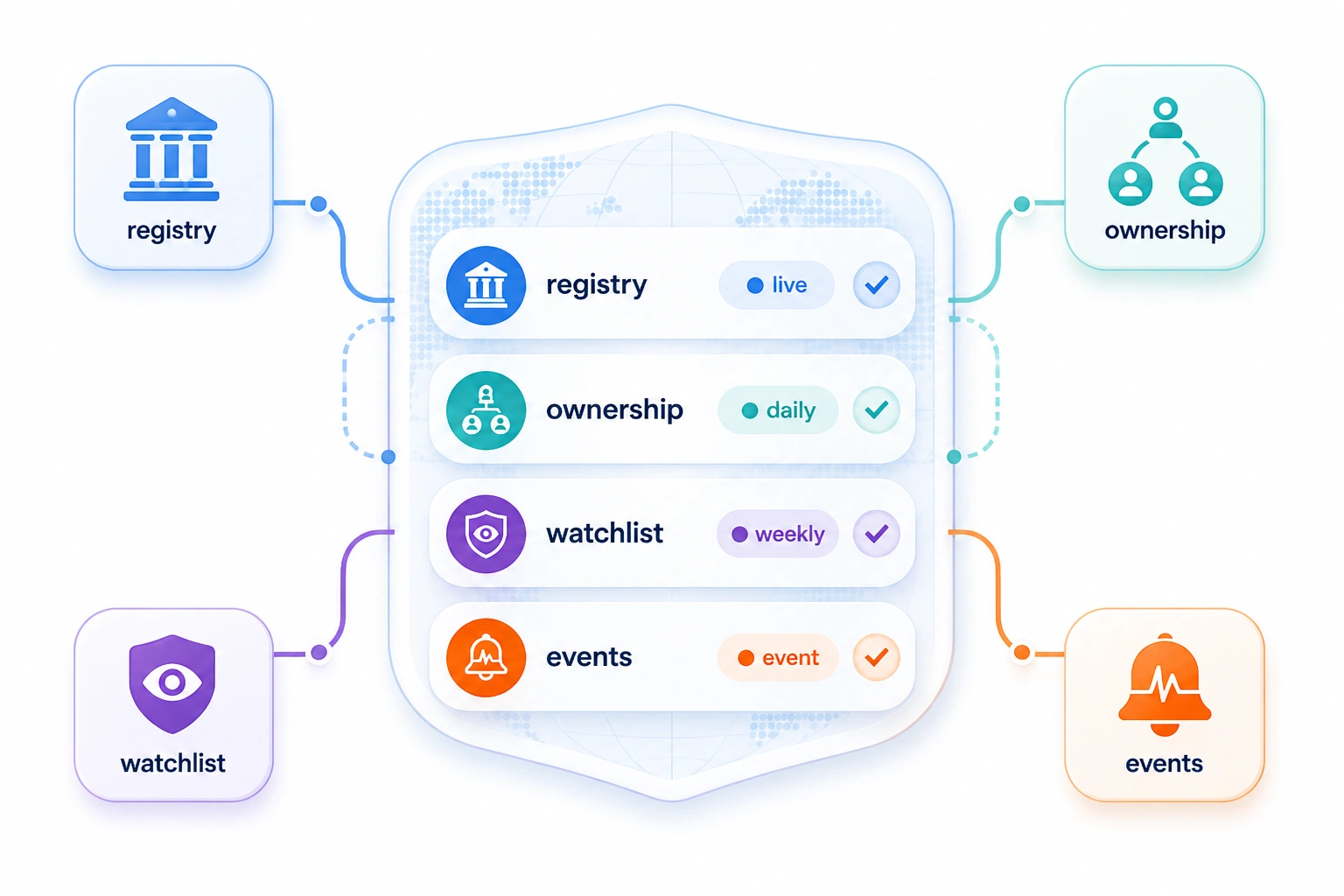
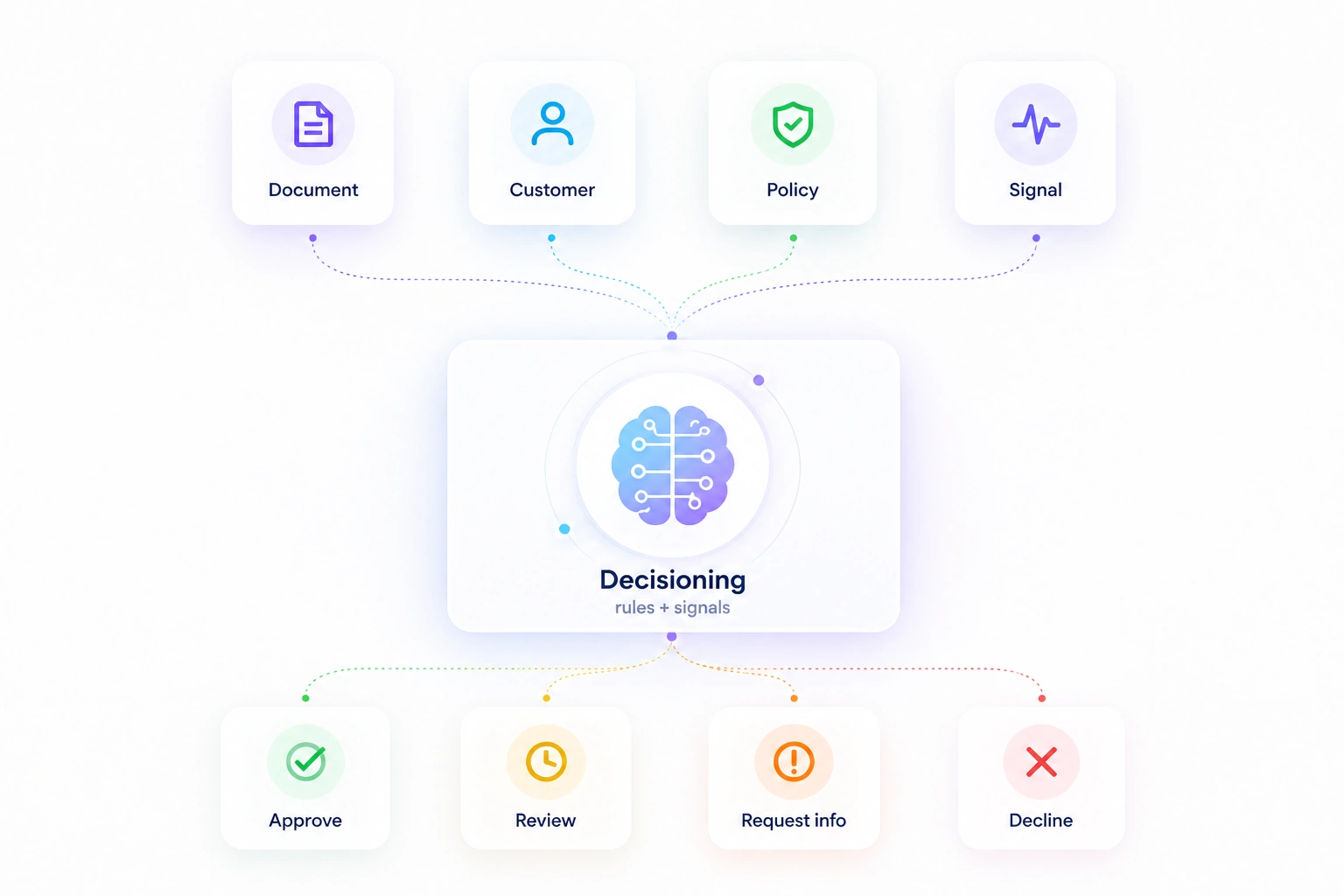
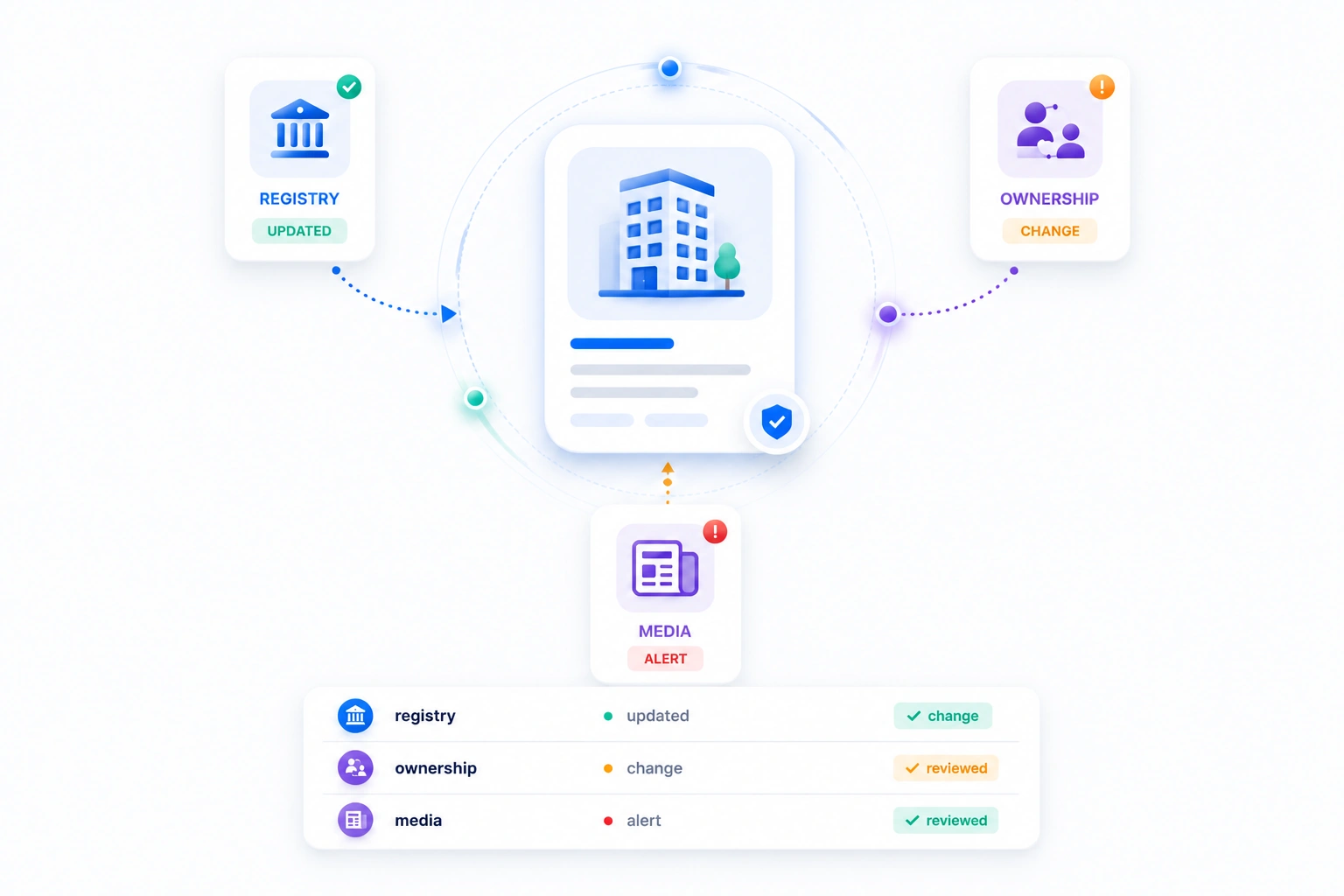
For KYB and compliance teams, the practical issue is broader than how frequently a customer is reviewed. Teams also need to consider how new information or changed circumstances are identified, assessed and incorporated into the existing customer relationship. That makes continuous monitoring as much a matter of controlled re-review and evidence as alert generation.
Once the consultation closes, AMLA will assess the responses and update its cost-benefit analysis. Its published timeline points to the guidelines being issued in Q4 2026, followed by national authorities indicating in Q1 2027 whether they intend to comply.
What teams should review
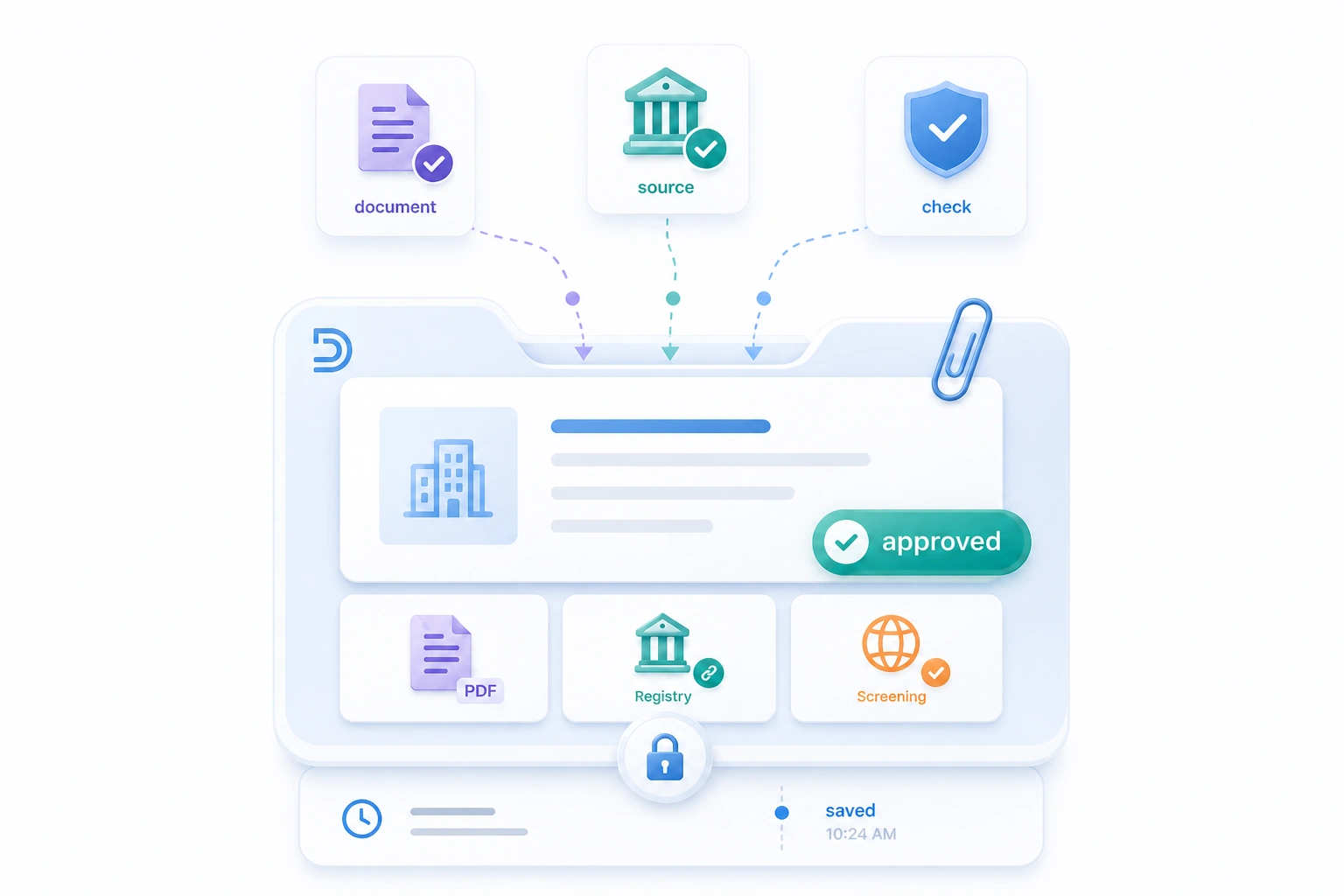
Before the final guidelines arrive, teams may want to review how their current monitoring process handles changes between scheduled reviews: how material events are identified, when additional evidence or re-review is required, and whether the resulting action remains connected to the existing customer record.
This is an operational interpretation of the draft, not a claim that AMLA mandates a particular technical workflow.