AUSTRAC mortgage fraud review exposes gaps in connected business evidence
A cross-bank analysis found suspected fraudulent loans supported by false documents, fabricated business activity and recurring professional intermediaries.

What happened
AUSTRAC’s Fintel Alliance has published findings from Operation Claw, a joint analysis of mortgage-lending data from 10 major Australian banks. The project identified potentially hundreds of millions of dollars in suspected fraudulent loans, with most of the activity linked to properties in Sydney.
The cases included inflated income, misrepresented employment and fabricated or unverifiable business activity used to support loan applications. AUSTRAC also found instances in which offshore or third-party funds were used to complete settlements or make repayments. Across different lenders and borrower groups, recurring warning signs included misleading documents and repeated use of the same mortgage brokers, accountants and law firms.
AUSTRAC cautioned that the project did not identify evidence of widespread money laundering. Its concern is that the weaknesses revealed by the review could be exploited for financial crime. Participating banks have used the resulting intelligence to investigate loans, strengthen controls and make further referrals, while information about potentially involved individuals and entities has been passed to relevant agencies.
Why it matters for KYB teams
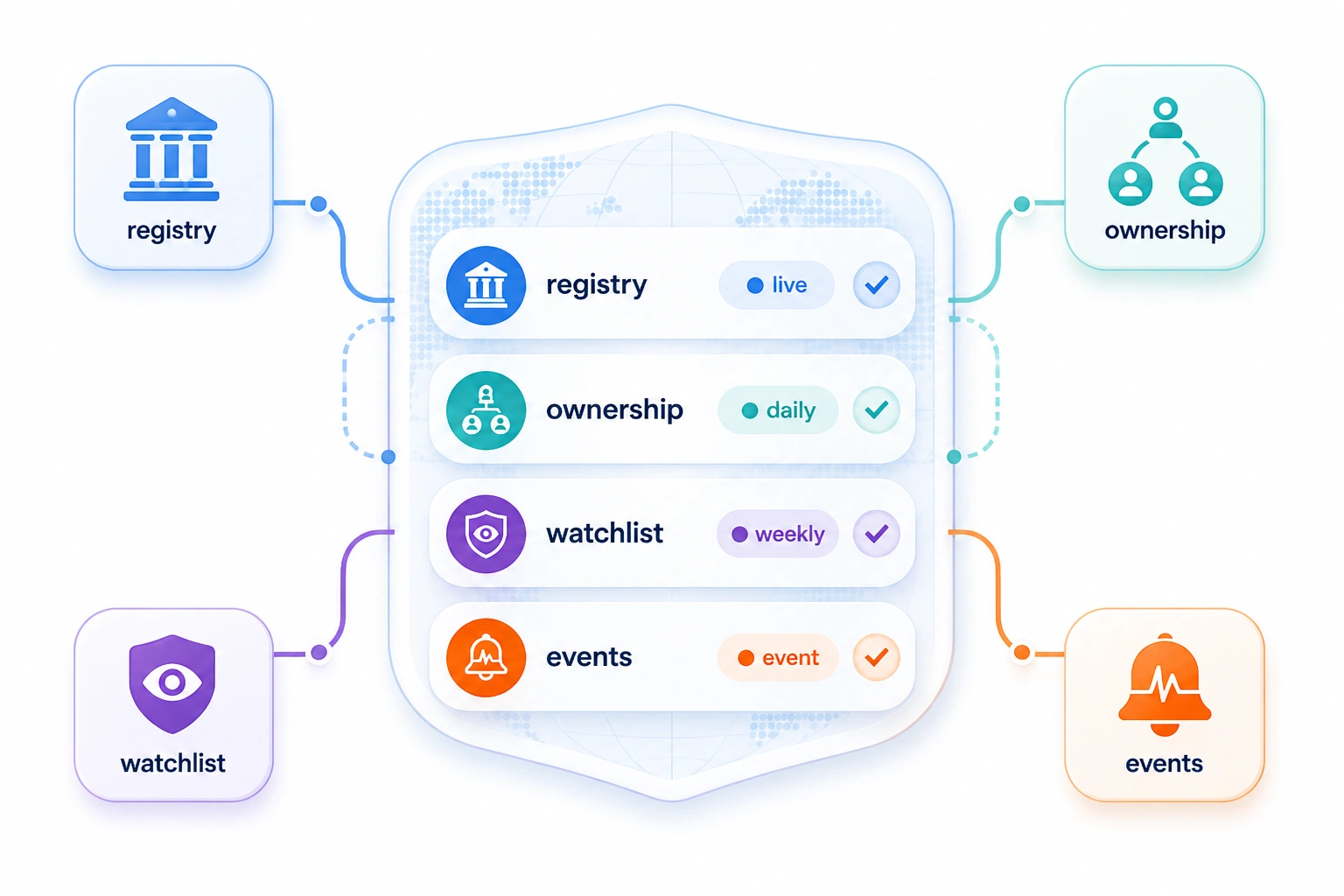
The findings show how a business claim can appear plausible when each application and document is reviewed separately. A company may exist on a register, an accountant may have supplied supporting material and a funding source may appear to cover the required amount. The risk becomes clearer when those facts are compared with the business’s actual activity and with patterns found elsewhere.
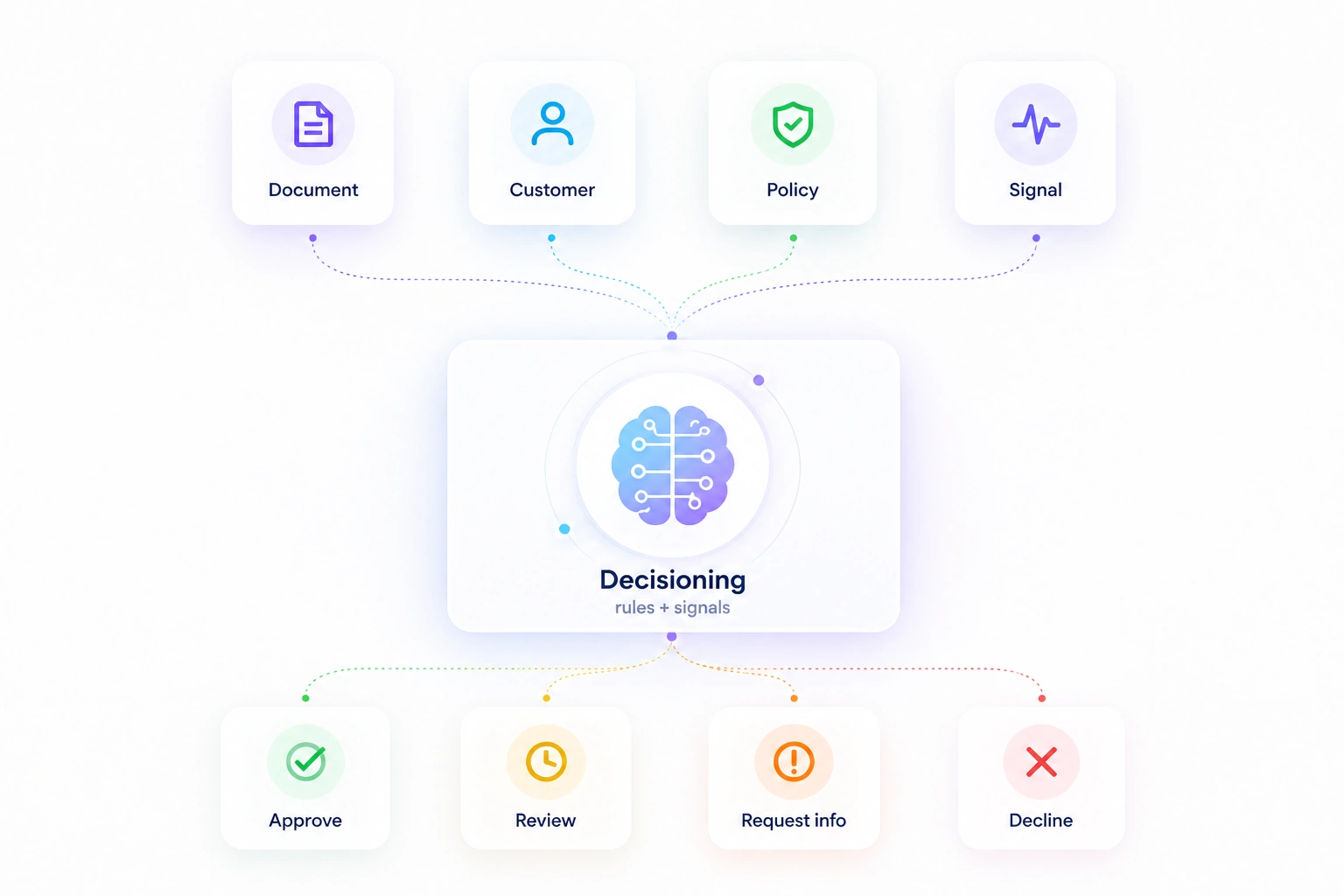
KYB should therefore extend beyond confirming that a company exists or that a document has been received. Claimed activity still needs to make economic sense and be corroborated across available sources. Supporting documents need to agree with registry information, declared income, counterparties and the expected purpose of the relationship.
Repeated relationships can also be meaningful. The same intermediary, address, contact detail, device, document characteristic or funding party appearing across apparently unrelated applications may warrant investigation, even when none of those links is conclusive by itself.
This does not mean every shared professional adviser or third-party payment is suspicious. It means those signals should remain connected to the case so reviewers can assess the wider pattern rather than seeing each fragment in isolation.
What teams should review
- Is claimed business activity checked against independent evidence rather than accepted from the application alone?
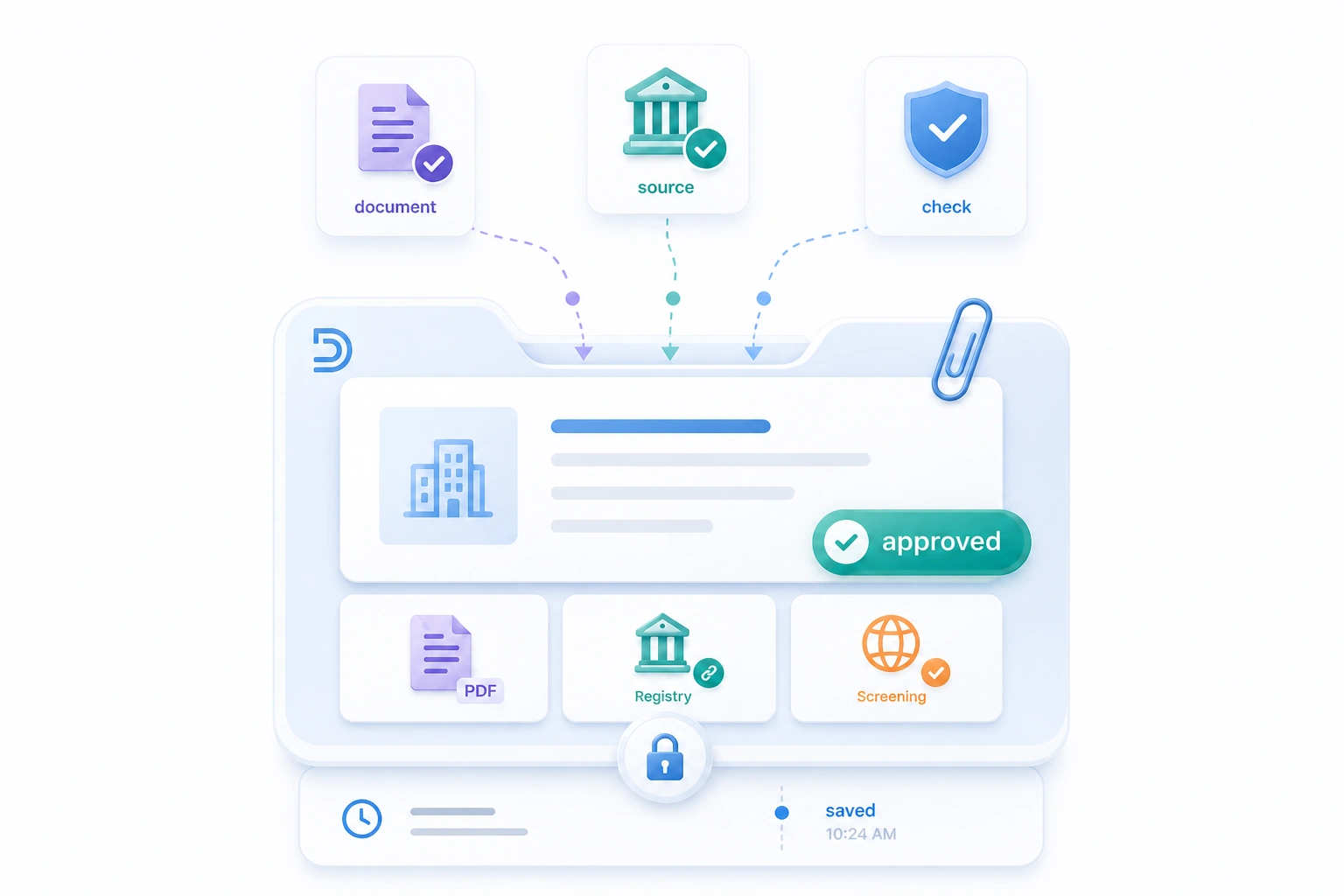
- Are supporting documents assessed for inconsistencies, alteration and issuer legitimacy before they influence a decision?
- Can the workflow identify repeated addresses, contact details, documents, devices, intermediaries or funding parties across applications?
- Do unexplained offshore or third-party funds trigger further review of source and economic purpose?
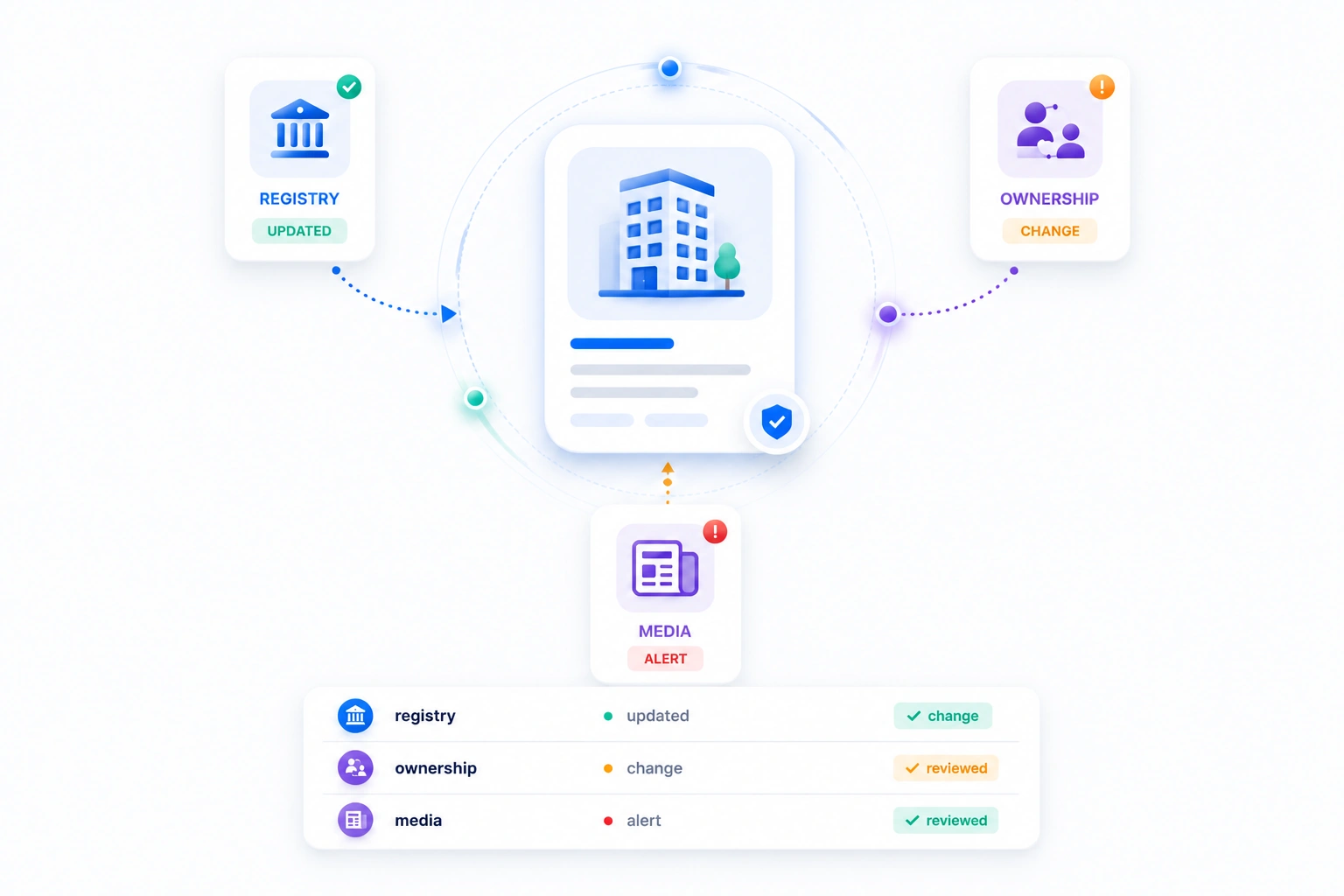
- Are discrepancies between registry data, customer declarations, supporting evidence and observed activity preserved and escalated?
- Can KYB, fraud, credit-risk and AML teams share relevant case context within the organisation’s legal and governance controls?