Capstone case shows how a false business model can distort KYB risk decisions
US prosecutors seized about $84m tied to Capstone, alleging it presented itself as an IT company while operating as a payments business.

What happened
On 25 September, Reuters reported that US prosecutors in California had seized nearly $81 million from Capstone accounts at Wells Fargo, $2 million from an account at JPMorgan Chase and approximately $1.2 million in USDT. The assets are the subject of a civil-forfeiture case, so the government's claims remain allegations rather than adjudicated findings.
Capstone is registered in Montana. According to the court filing described by Reuters, it acted as a money-services business but its owners presented it as an information-technology company when opening bank accounts. The Financial Times reported that Capstone registered with FinCEN as a money-services business, while prosecutors allege it was operated from California and transmitted money in several states without the required licences.
The complaint says Capstone moved funds under an agreement with EQIBank, a bank in Dominica. The FT reported that more than $700 million passed through a Capstone business account at Wells Fargo between March and December 2025, including transactions involving US Treasuries. After Treasury purchases were excluded, prosecutors said $337 million was paid out and that almost two-thirds appeared to have been sent to hundreds of recipients on behalf of two crypto businesses.
People familiar with the situation identified those businesses to the FT as Tether and Bitfinex. Tether confirmed that it and Bitfinex were customers of EQIBank but said they had no knowledge of Capstone's alleged conduct. Reuters reported that the Justice Department did not allege wrongdoing by the other firms.
The complaint separately alleges that Capstone helped convert proceeds from impersonation frauds targeting elderly victims into stablecoins. Capstone denies wrongdoing and has said it intends to challenge the government's civil-forfeiture complaint and seek its dismissal.
Why it matters for KYB teams
A company can be legally incorporated and correctly identified while still being assigned the wrong risk profile. Industry and business activity are not merely descriptive fields: they determine which licensing checks, due-diligence requirements, monitoring rules and escalation thresholds should apply.
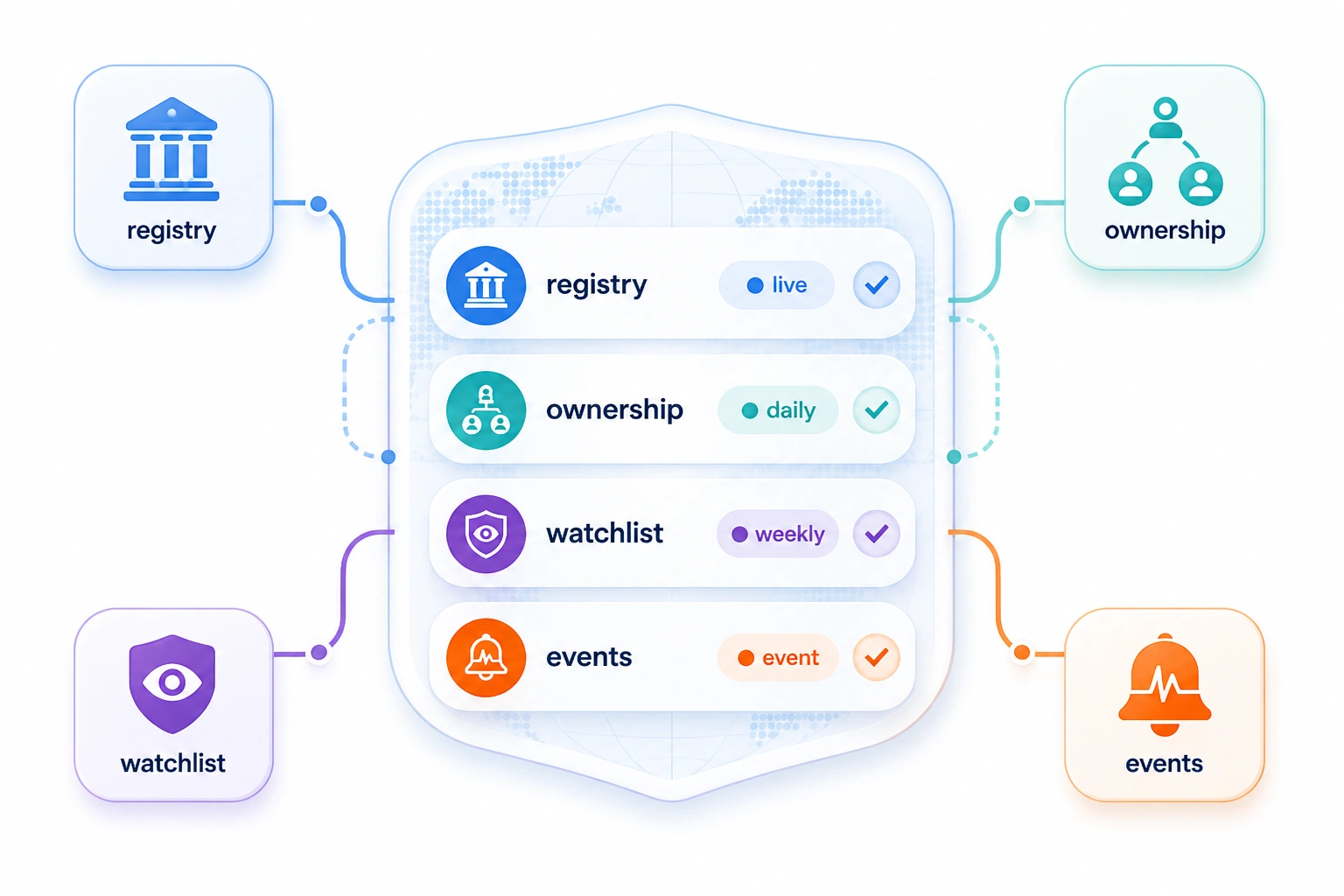
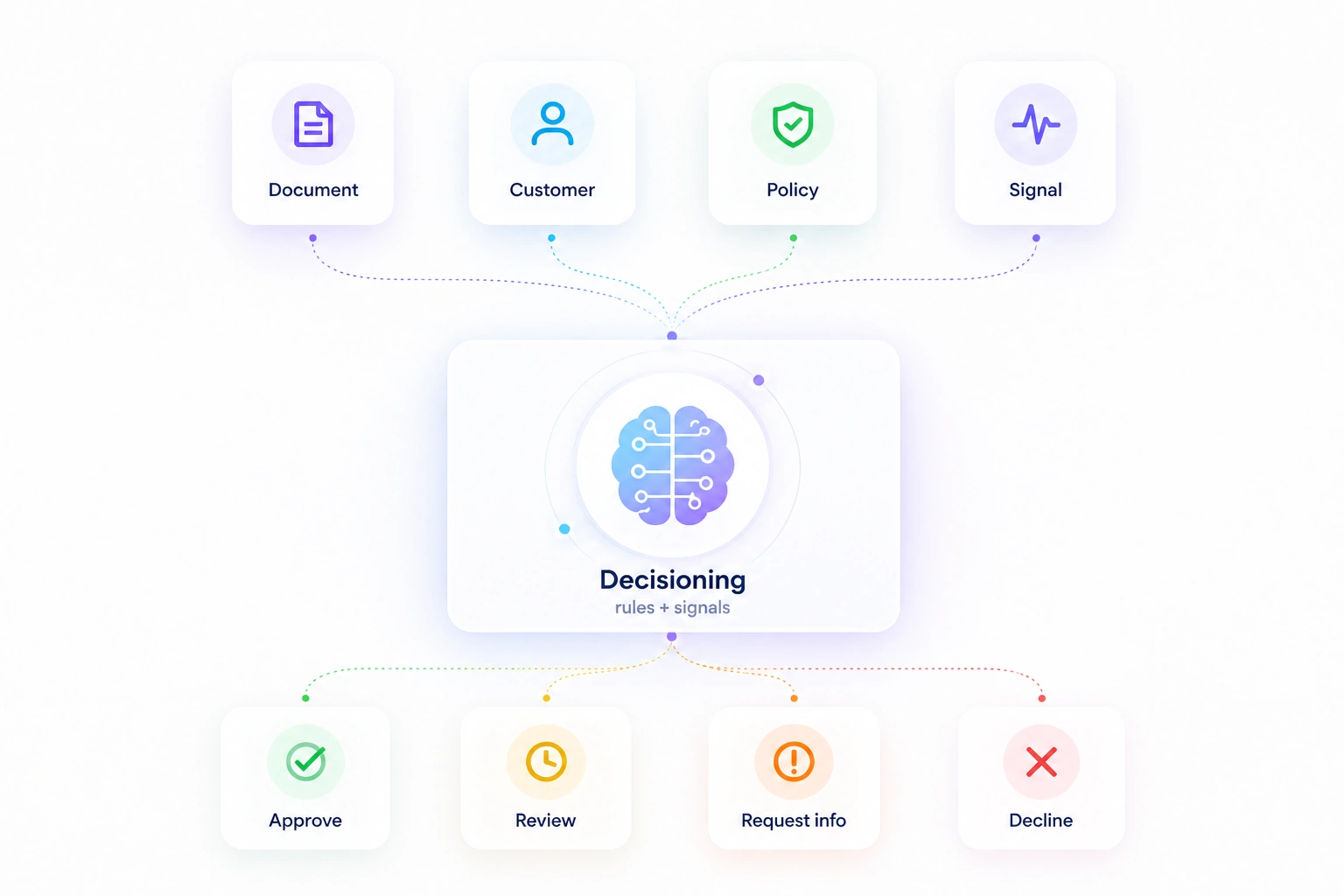
If a payments business is treated as an IT company, the risk decision begins from the wrong baseline. The onboarding workflow should compare the customer's declaration with regulatory registrations, applicable licences, contracts, counterparties and the actual role it performs. A money-services registration that conflicts with the declared business model should become an unresolved discrepancy, not a separate data point that is stored and ignored.
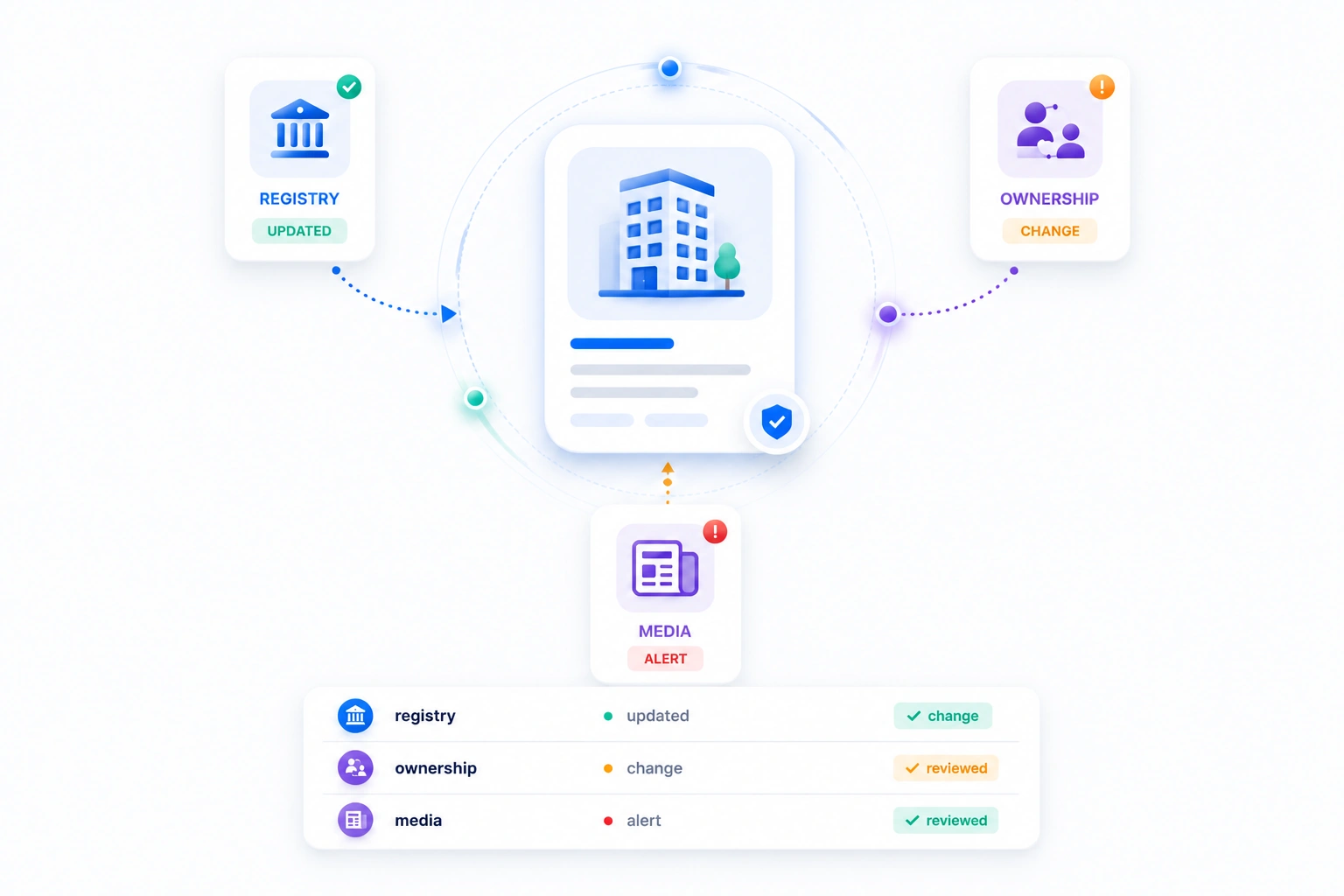
The same principle applies after onboarding. Large third-party transfers, numerous international beneficiaries, stablecoin conversions or transaction volumes inconsistent with the stated purpose may indicate that the customer is performing a materially different activity. An explainable KYB risk score should be recalculated when those facts change, with the resulting reclassification and review path recorded.
The intermediary structure also matters. Where a company moves money at the direction of an offshore bank or for that bank's clients, teams need to understand whose funds are being handled, who gives the payment instructions, who ultimately receives the money and what economic purpose the intermediary serves. Verifying only the immediate legal entity can leave the underlying payment relationships outside the assessment.
Finally, a significant change in banking route, sudden increase in balances or volumes, new settlement instruments, or known closure of another account should be treated as a reason to revisit the original story. Continuous monitoring is effective only when behavioural signals can reopen the KYB decision rather than remaining isolated in transaction or fraud systems.
What teams should review
- Does onboarding capture what the customer actually does, whose money it handles and the jurisdictions in which it operates?
- Are regulatory registrations and licensing obligations compared with the customer's declared industry and business model?
- Do contradictions such as a money-services registration alongside an IT-services declaration trigger resolution before approval?
- Is expected activity compared with actual transaction volume, beneficiary count, cross-border exposure and settlement methods?
- For third-party payment activity, are the principal, payment instructing party, beneficiaries and economic purpose identified?
- Can material behavioural changes automatically update the risk tier, due-diligence requirements and monitoring thresholds?
- Do known account closures, banking-route changes or unexplained transfers between institutions trigger reassessment?
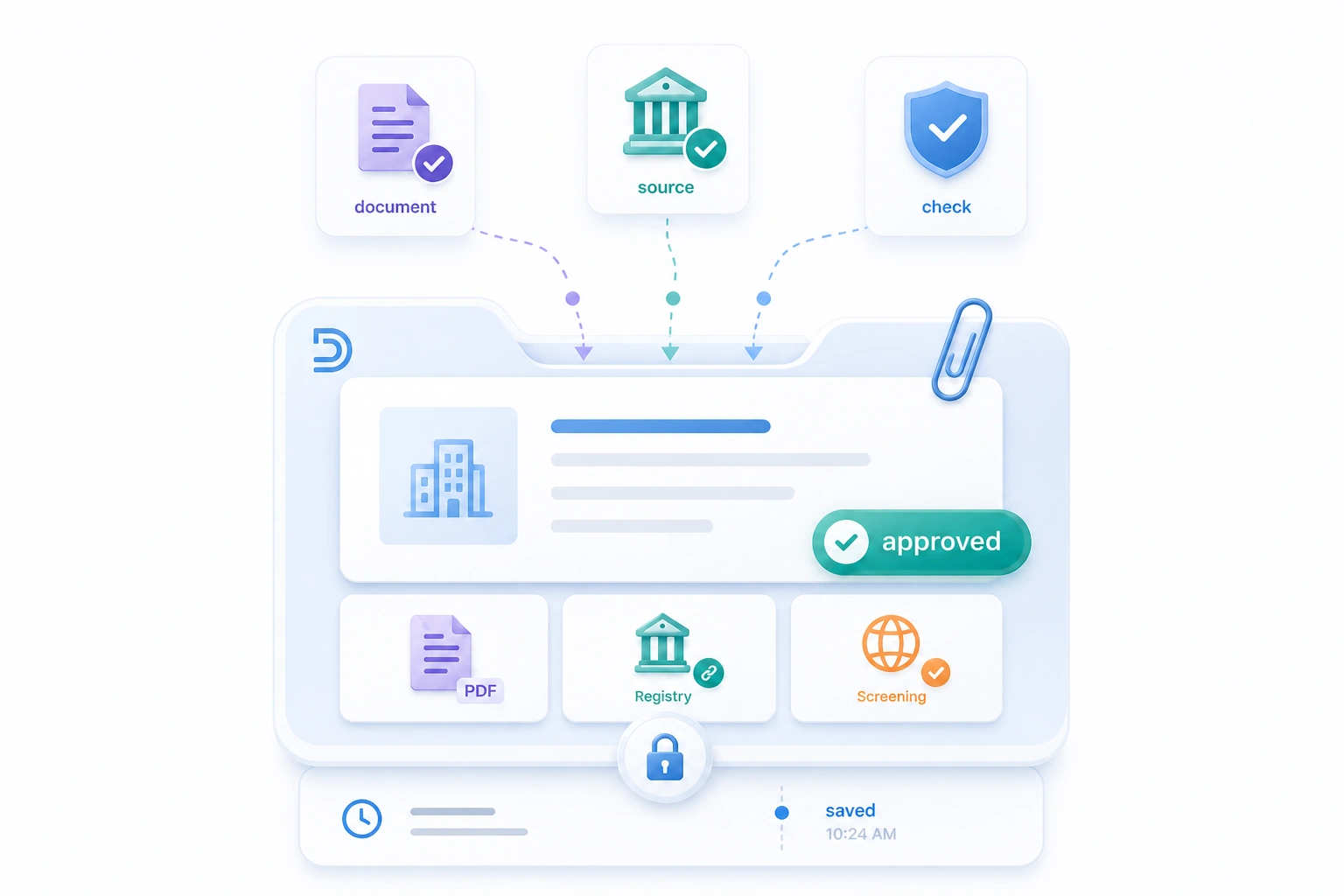
- Can reviewers reconstruct the original declaration, conflicting evidence, revised score and final decision rationale?