Comoros challenges offshore licensing network used by nearly 1,500 gambling operators
A Guardian investigation found nearly 1,500 operators relying on disputed Anjouan licences, showing why KYB must verify the authority behind a credential.

What happened
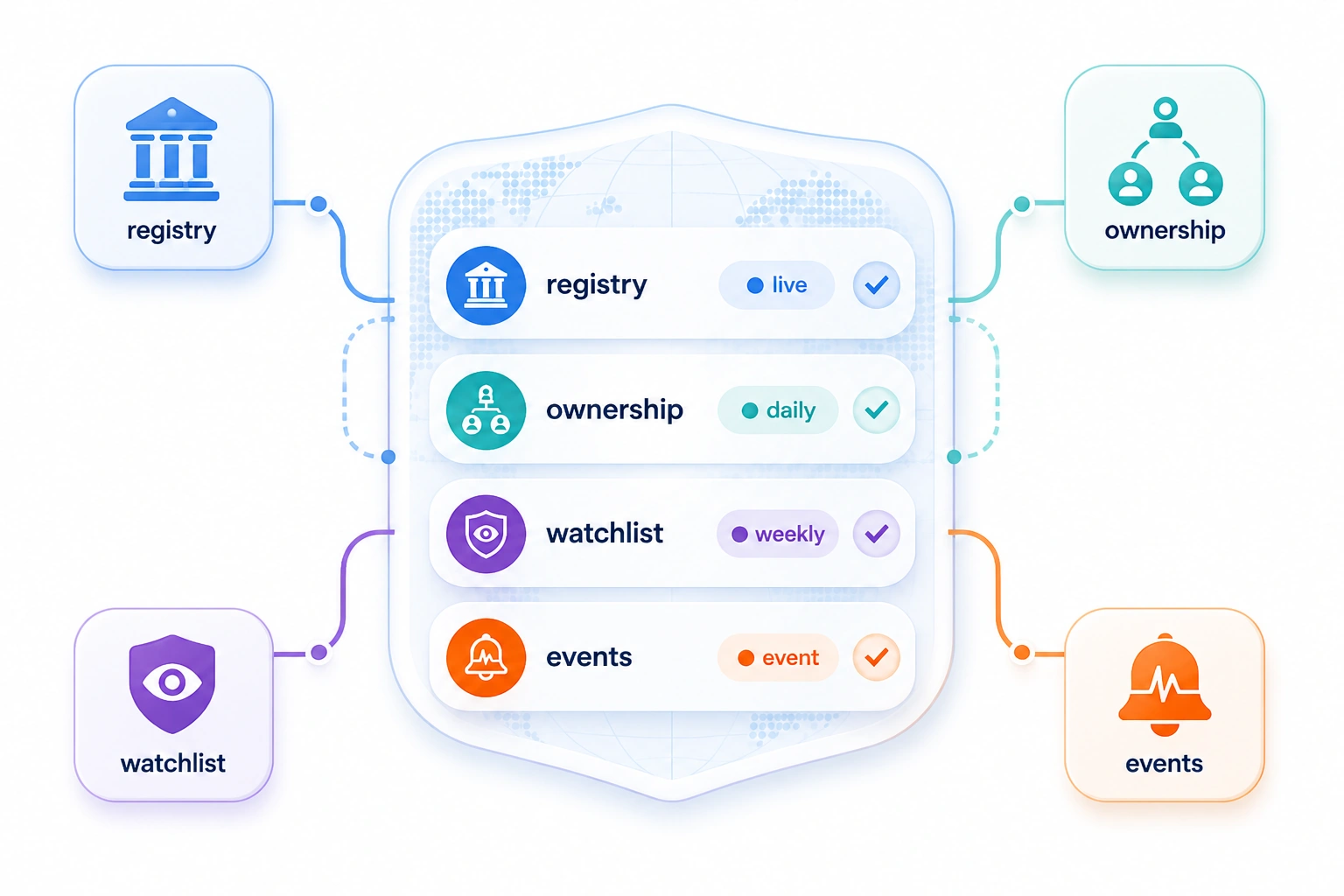
On 19 October 2026, the Guardian published an investigation into an offshore licensing network operating in the name of Anjouan, one of the islands in the Union of the Comoros. The public register maintained by Anjouan Gaming listed nearly 1,500 gaming licence holders, many specialising in crypto gambling. The licensees included companies incorporated in jurisdictions such as Panama, Belize and Costa Rica.
Anjouan Gaming presents its licences as operating under the Anjouan Offshore Financial Authority. According to the Guardian, however, a spokesperson for the Central Bank of the Comoros said the wider licensing regime involved illegal activity by people using the country’s name to create apparent legitimacy. The spokesperson said the situation threatened the country’s efforts to strengthen its safeguards against money laundering and terrorist financing, and that the government was preparing judicial action while seeking financial-intelligence and police cooperation from the United Kingdom.
Official warnings predate the latest investigation. In a notice republished by the Ministry of Finance in December 2025, the Central Bank named the Anjouan Offshore Finance Authority and Anjouan Corporate Services among structures it described as fictitious and accused of issuing banking and financial approvals illegally. A separate Ministry of Finance notice said fraudulent unofficial licences had also appeared in the forex and cryptocurrency sectors and prohibited their promotion or use. Those published notices concern banking, financial, crypto and forex licences; they are not, by themselves, a court ruling on the legal status of the gaming regime.
The Guardian also examined the UK connections behind the licensing infrastructure. It linked the Anjouan Corporate Services website to ACS Global Custodian, a UK company based at the London headquarters of the Sherm Group, and reported that four members of the Sorsky family had held stakes in the company. Harold Sorsky denied that ACS Global Custodian sells, issues or provides gaming licences, saying it had not done so since the family took over the company in 2023 and that earlier references to supporting applications were outdated. He said other providers now offer Anjouan gaming licences.
The practical value of such a licence is the appearance of legitimacy it can create for players, banks, payment providers and other commercial partners. The dispute therefore extends beyond the operators shown on the register. It raises questions for every business that has relied on the credential, the issuing body or the surrounding service-provider network when deciding whether to onboard or continue serving an operator.
Why it matters for KYB teams
This case shows why licence verification cannot stop at confirming that a document exists or that a business appears on a searchable register. A credential may look official, carry a reference number and be validated by an online database while the legal mandate of the body issuing it remains disputed.
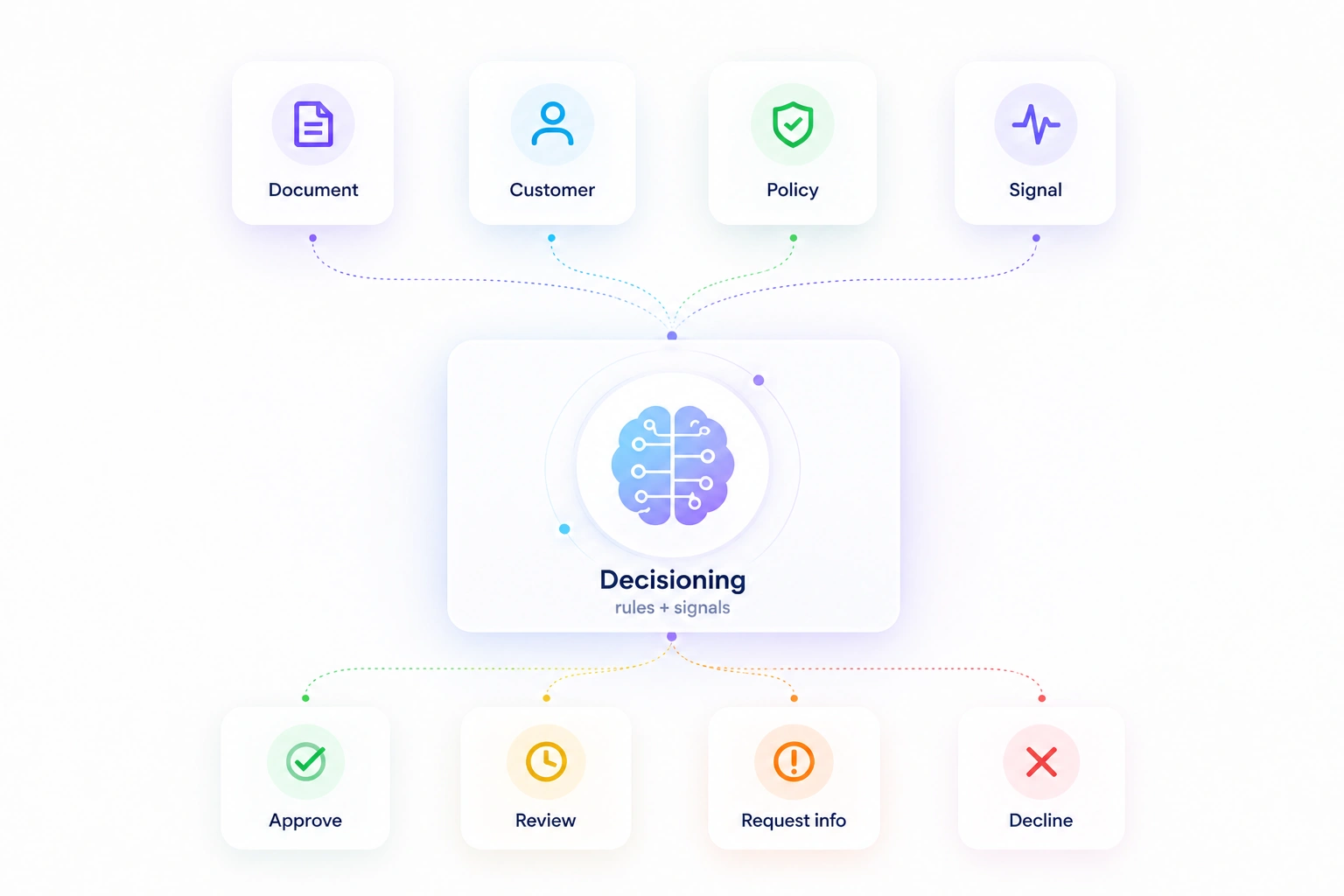
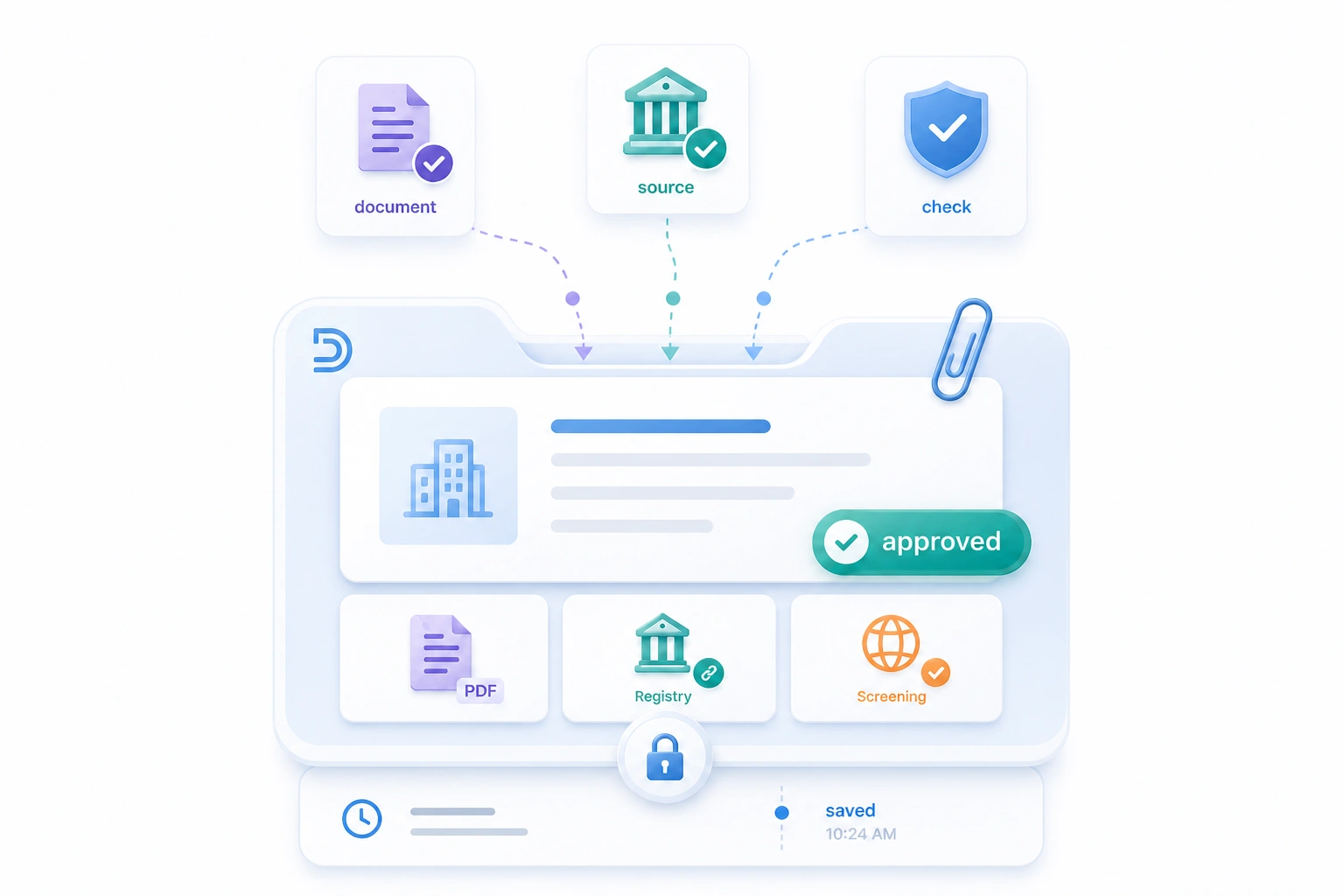
KYB teams need to authenticate the authority behind the credential. That means checking primary government and regulator sources, identifying the legislation said to create the authority, confirming that the licence covers the relevant activity and market, and establishing whether the regulator can be contacted independently of the applicant or its service provider. A register operated within the same commercial network cannot provide fully independent corroboration of that network’s claims.
Entity resolution is equally important. The name on a licence, the operating brand, the company receiving payments, the domain serving customers and the intermediary arranging the approval may all be different. Effective data coverage should connect those records across jurisdictions without treating a shared address, director or provider as proof of wrongdoing by itself.
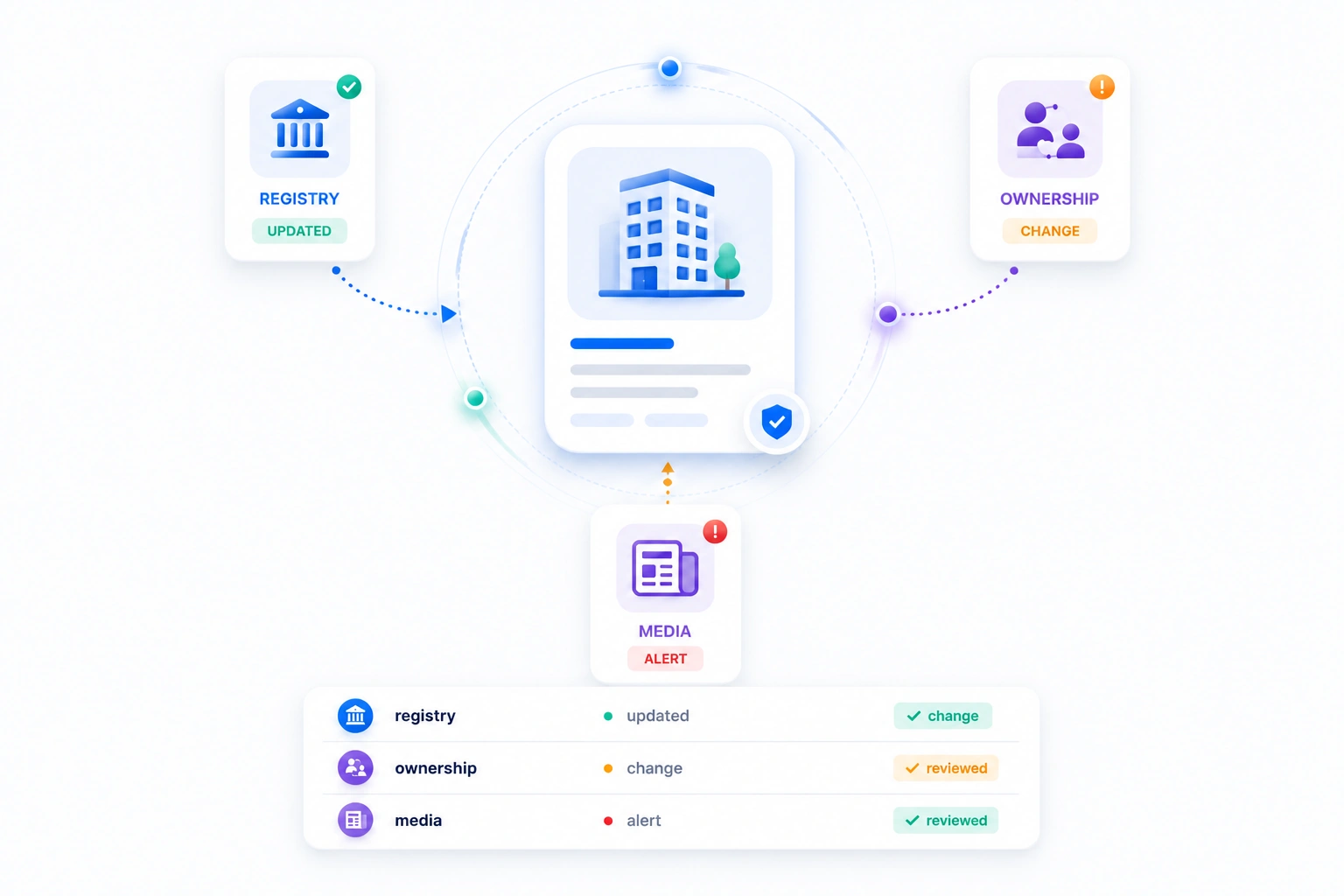
The issue also belongs in ongoing monitoring. Official warnings, legal challenges, changes in the issuing body and new information about connected agents can materially alter the reliability of a credential after onboarding. When that happens, continuous monitoring should reopen the relationship and identify other customers or counterparties that relied on the same authority.
Where primary sources conflict, the workflow should preserve the disagreement rather than convert uncertain evidence into a definitive answer. Reviewers need to see who made each claim, when it was made, which legal entity and activity it concerns, and what confidence the institution placed in it when reaching its decision.
What teams should review
Teams responsible for KYB, licensing risk and ongoing monitoring should review the following:
- Are licensing bodies authenticated against primary government or regulator sources rather than only their own websites and registers?
- Does the review establish the legal mandate, jurisdiction and exact activities covered by each licence?
- Can teams match the licensed legal entity to its operating brands, customer-facing domains and payment accounts?
- Are agents, corporate-service providers, directors, beneficial owners and shared addresses resolved across relevant jurisdictions?
- Can the workflow identify self-referential evidence where an issuer, registry and application agent validate one another?
- Do official warnings, enforcement developments or credible investigations automatically trigger reassessment of affected relationships?
- Are conflicting sources retained separately with their provenance, dates and the reviewer’s confidence assessment?
- Can teams identify all customers, merchants and counterparties that relied on the same disputed authority or credential?