Companies House turns identity verification into a registry control
Companies House is using identity verification, data validation, and enforcement powers to improve trust in the UK company register.

What happened
Companies House has reported further progress in strengthening the UK company register and reducing its misuse for economic crime.
Mandatory identity verification is now part of the company registration framework for directors and people with significant control. Companies House says nearly four million individuals had completed identity verification and linked their company appointments by June 2026.
The agency has also increased the removal of misleading information, expanded enforcement activity, and continued developing more systematic data-quality and validation controls.
Why it matters for KYB teams
Company registry data is becoming more useful, but it should not be treated as a complete KYB decision on its own.
Identity verification can improve confidence that the individuals connected to a company are who they claim to be. Stronger register controls can also reduce false addresses and misleading appointments.
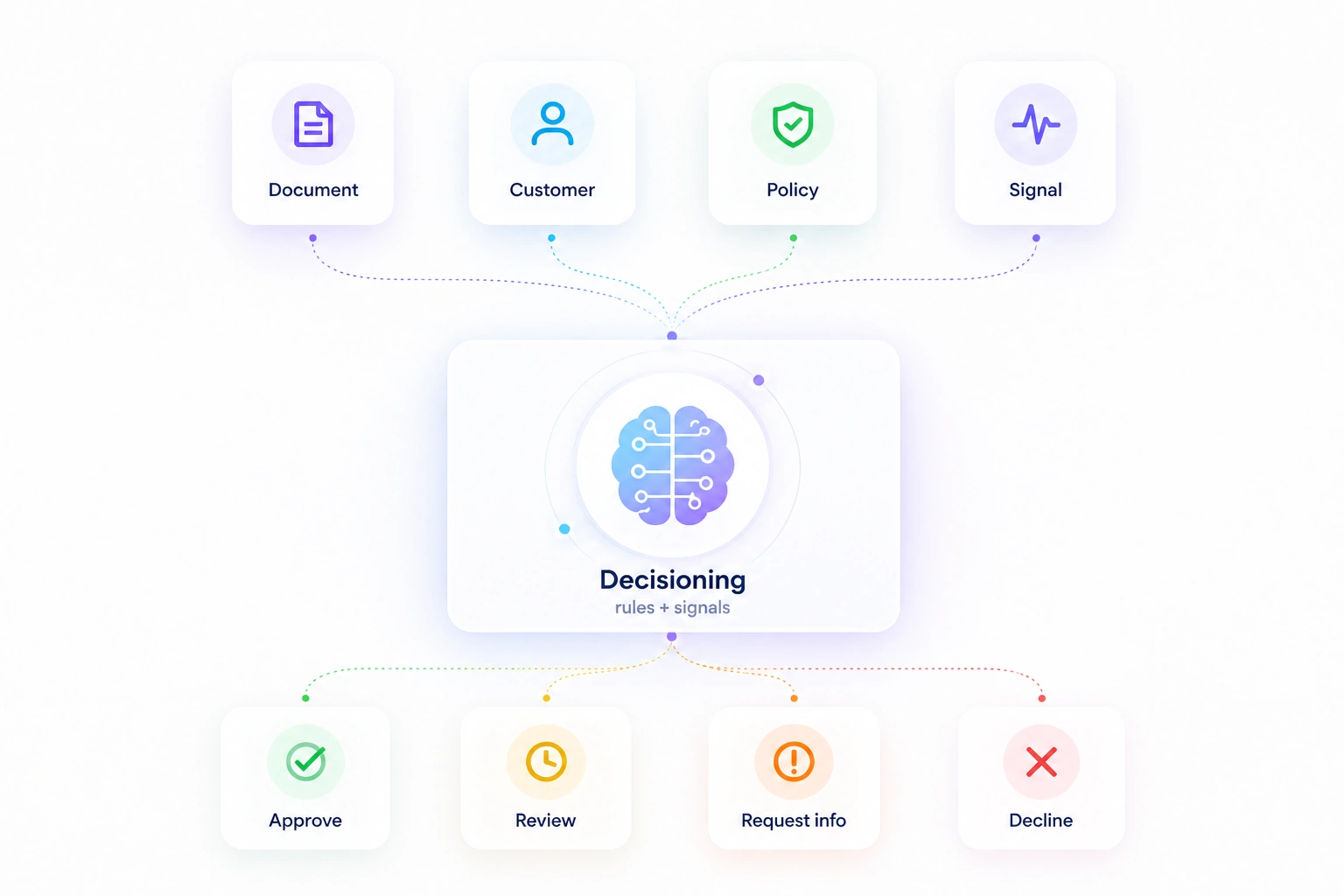
However, KYB teams still need to connect registry information with ownership structure, control, customer activity, jurisdiction exposure, documents, risk signals, and internal review policy.
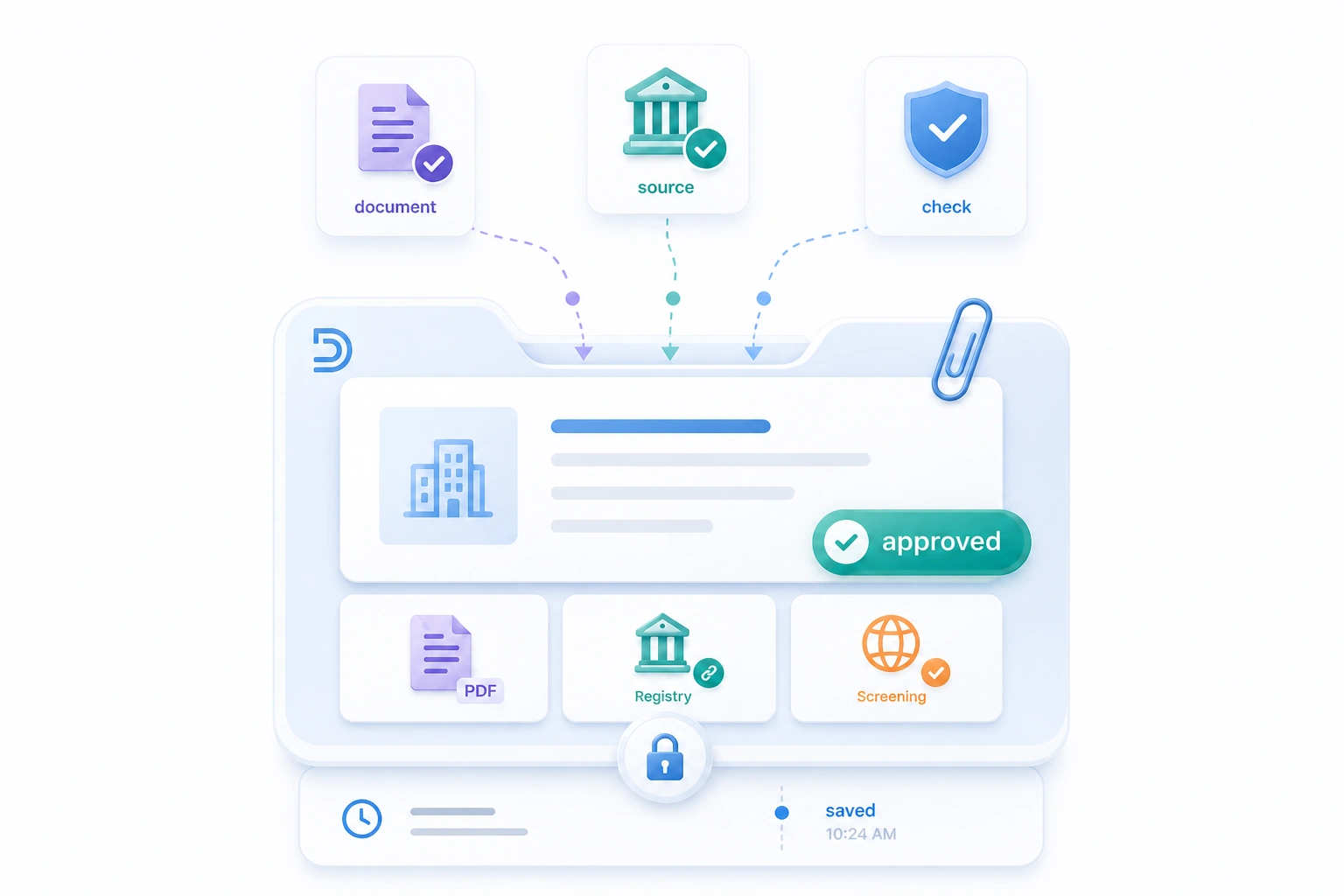
The operational value comes from knowing which data was verified, when it was checked, what changed, and how it influenced the final decision.
What teams should review
- Does the workflow distinguish verified identity status from unverified registry information?
- Can reviewers see when director or PSC information was last checked?
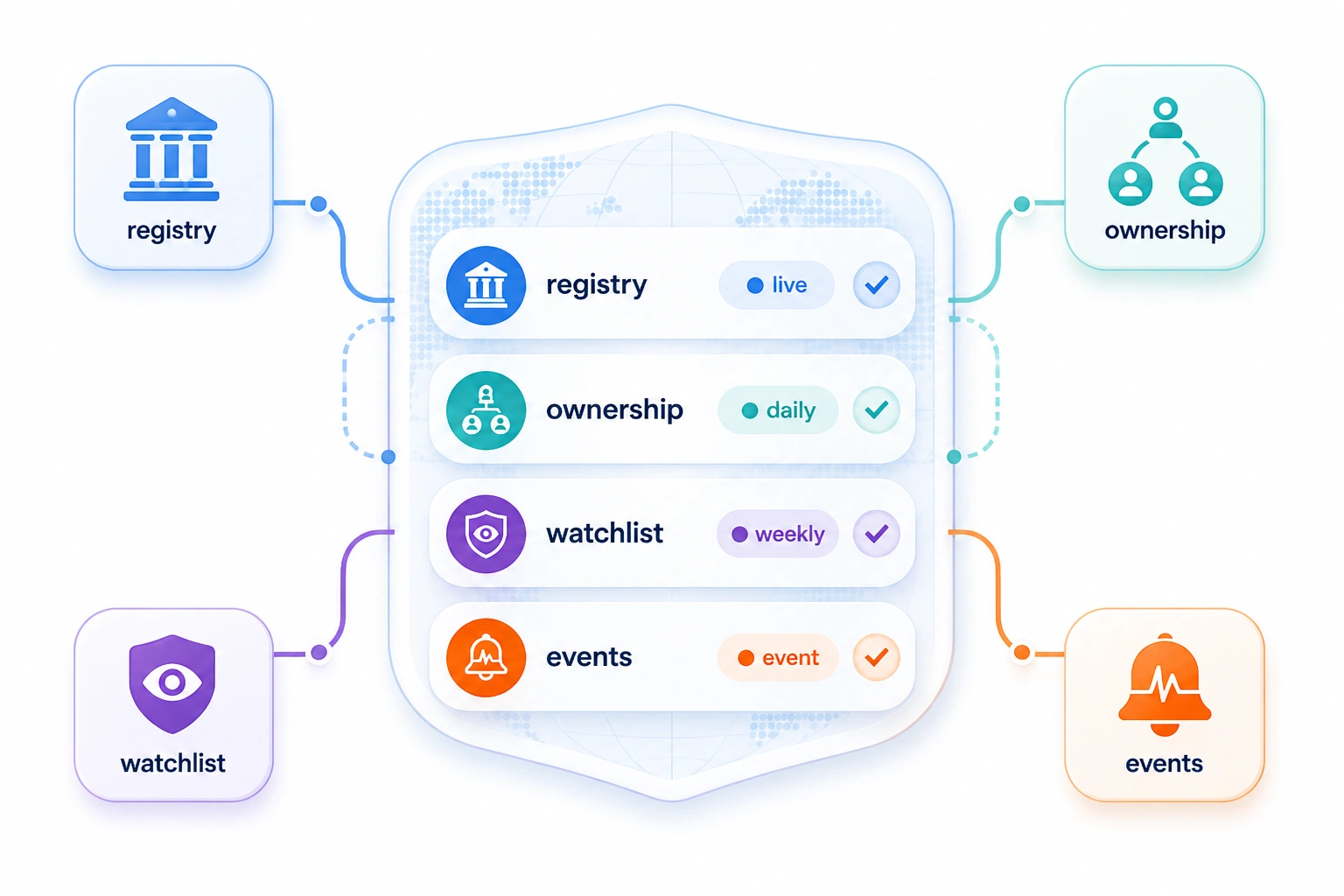
- Are changes in ownership, control, address, or company status monitored after onboarding?
- Can conflicting registry and customer-provided information trigger follow-up?
- Is the source and timestamp of each verification result preserved?
- Can teams explain how registry data affected the risk score or review path?