ICIJ investigation highlights unresolved gaps in Tether’s ownership
An investigation based on historic share records, public filings and internal company files could not establish a complete current ownership picture of Tether, illustrating why KYB decisions need dated evidence and explicit confidence levels.

What happened
The International Consortium of Investigative Journalists has examined the ownership of Tether, the private company behind the USDT stablecoin. Its investigation used public records and internal company files to reconstruct how ownership and control appeared to change over time.
Records reviewed by ICIJ showed substantial movement during Tether’s earlier years. Shareholding documents from early 2016 identified Giancarlo Devasini as the sole owner of Tether Holdings, its British Virgin Islands parent at the time. Later documents recorded transfers to Jean-Louis van der Velde and DigFinex, while records from around 2018 showed another materially different ownership split.
Those historical documents did not produce a complete answer about the company’s current owners. ICIJ said it could not determine the present stakes of several individuals and that Tether did not respond to its questions about the ownership figures.
The investigation also reviewed more recent US filings connected to Tether’s investments in public companies. These began stating that Devasini had greater than 50% voting interest in Tether. ICIJ described this as an indication that control may have become more concentrated, but Tether did not respond to questions about that interpretation. The Salvadoran filings reviewed by ICIJ did not disclose the company’s current ownership.
Tether has separately confirmed that it relocated to El Salvador after obtaining a Digital Asset Service Provider licence and approval as a stablecoin issuer. Six days after the ICIJ article, Tether also announced that KPMG U.S. had issued an unqualified audit opinion on its 2025 financial statements. Tether said the audit examined ownership records alongside its transactions, systems and other supporting evidence. The announcement added an independent audit opinion to the company’s financial reporting, but it did not itself set out a current shareholder breakdown.
Why it matters for KYB teams
The case illustrates the difference between finding ownership information and establishing a defensible current ownership conclusion. A document may be authentic and still be too old to support today’s decision. Likewise, a record of shareholding does not necessarily explain who exercises voting control.
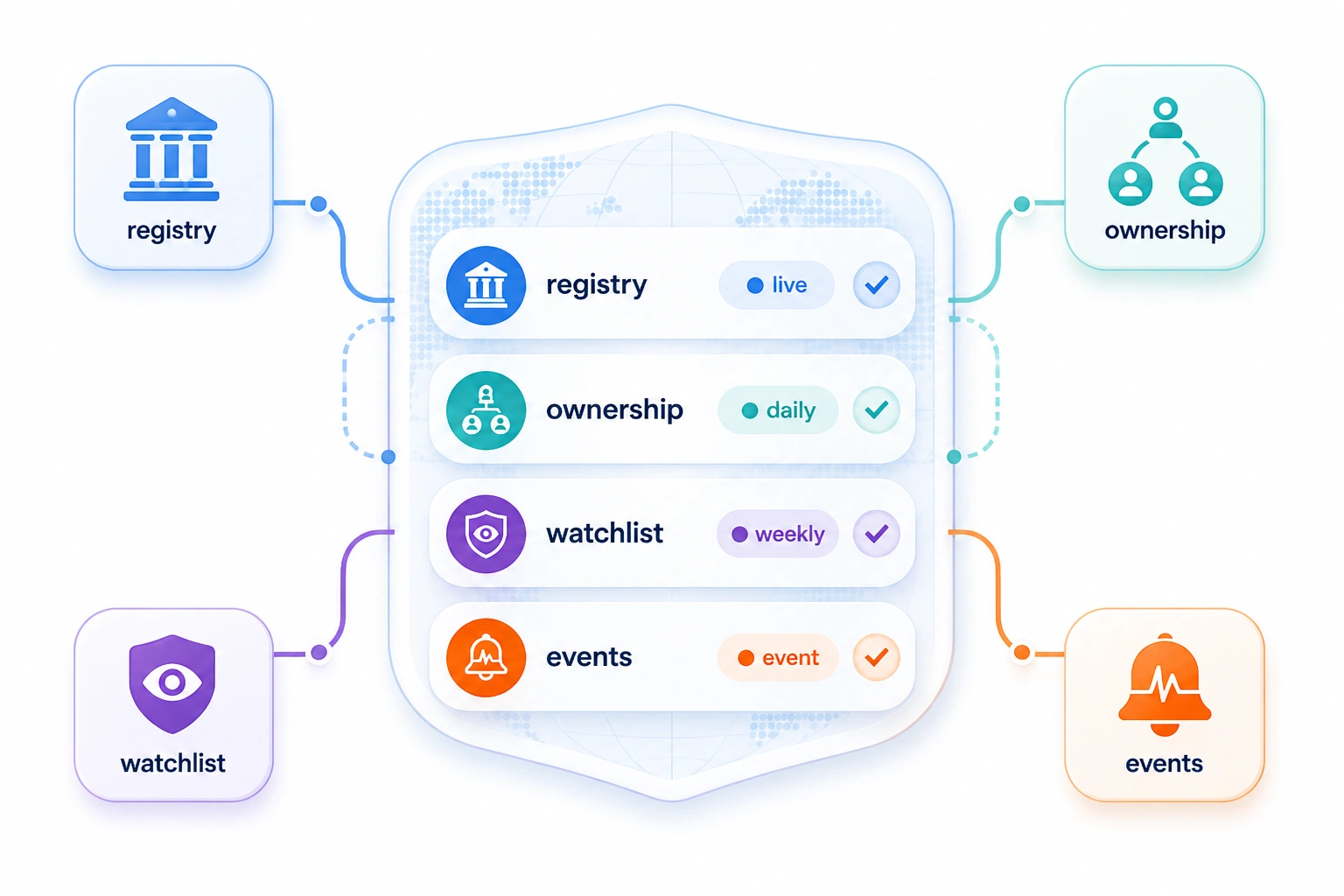
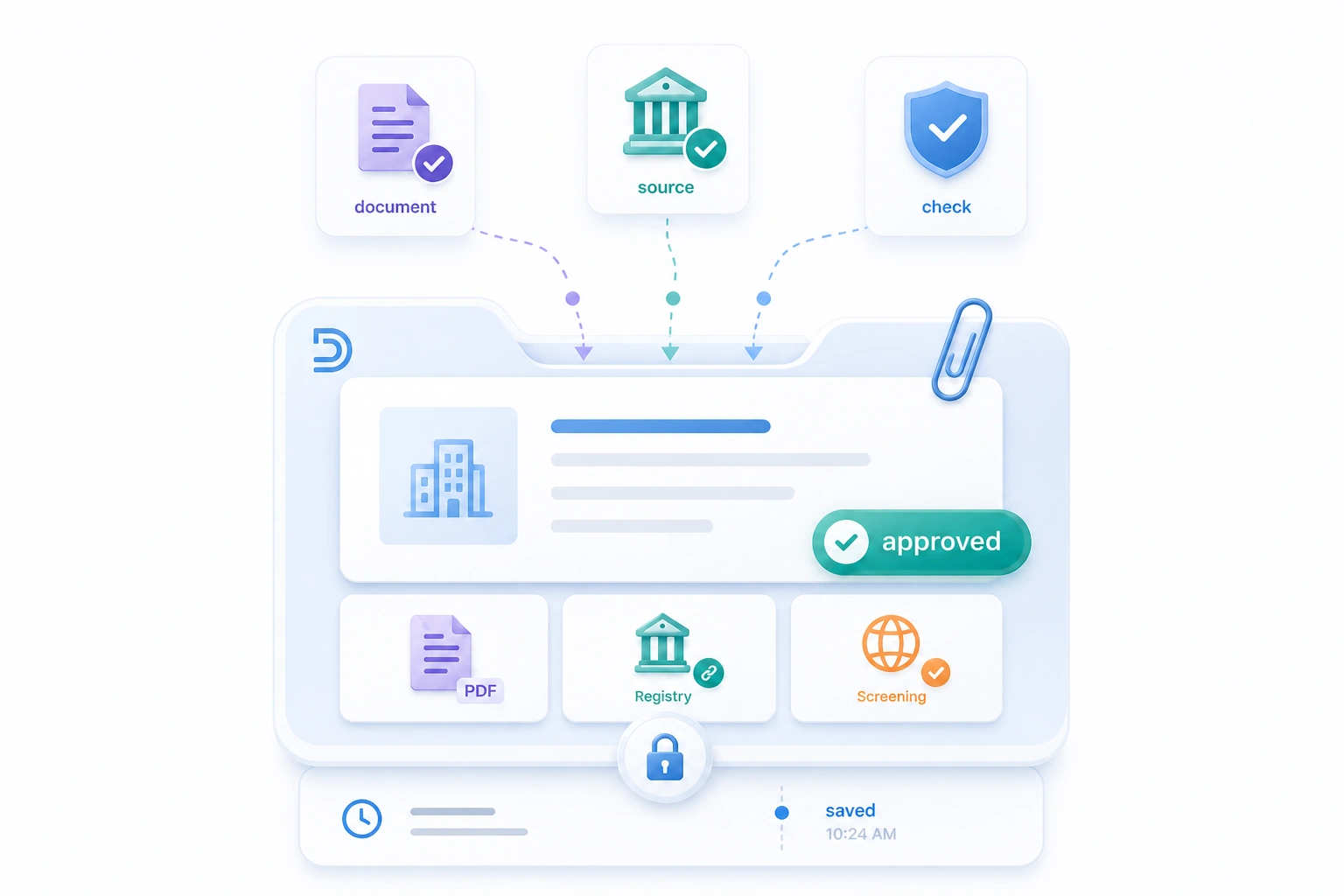
When information comes from different periods, jurisdictions and filing purposes, apparent contradictions may reflect genuine change rather than bad data. A KYB workflow therefore needs to preserve each source separately, with its date, jurisdiction, legal entity and type of control. Combining those records into a single ownership answer without showing how it was reached can hide the most important part of the review: what remains uncertain.
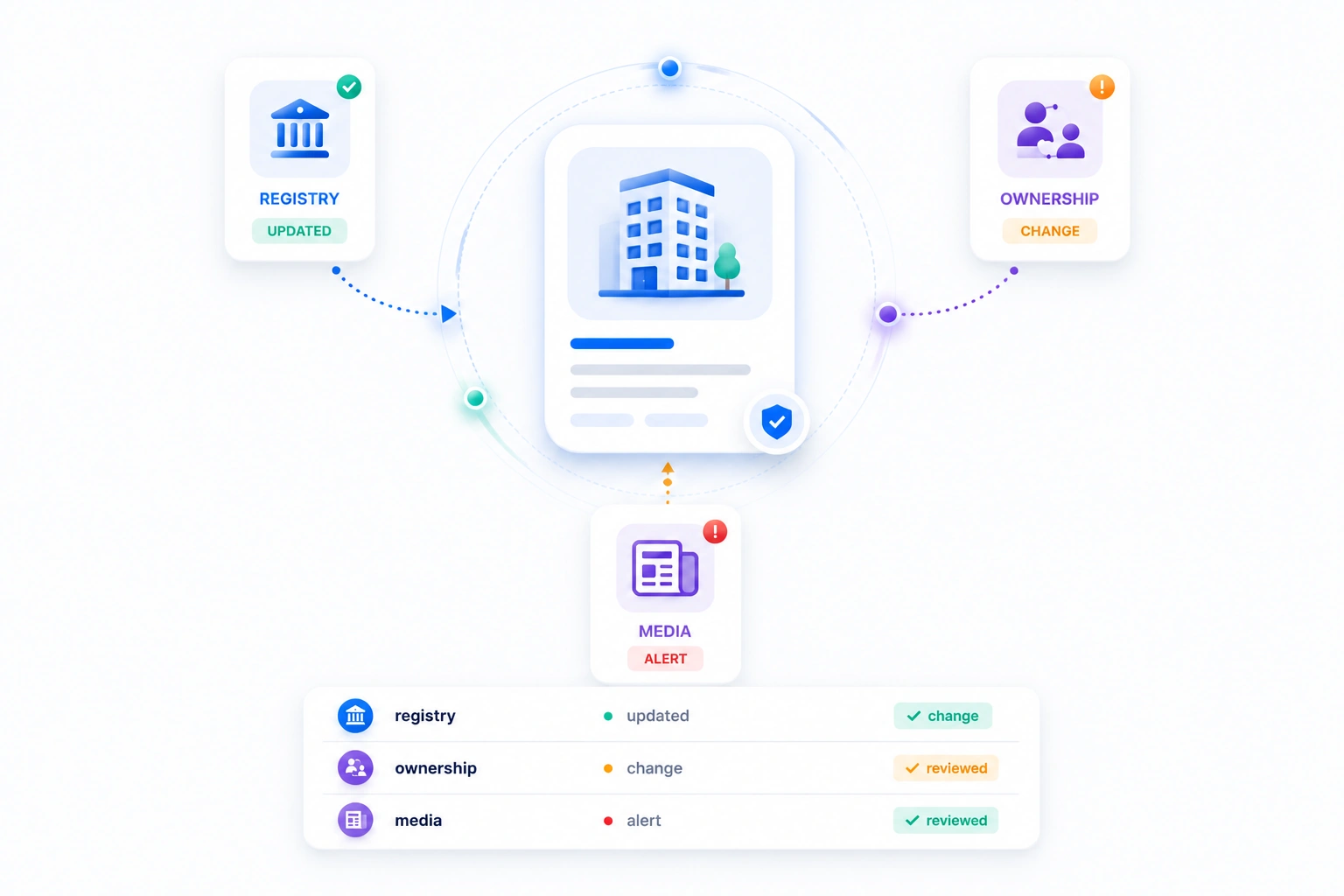
The move between the British Virgin Islands and El Salvador adds another complication. A change of domicile or group structure can alter which records are available, how current they are and whether they refer to the same legal entity. Monitoring needs to detect those changes and reopen the ownership assessment when the available evidence no longer supports the existing conclusion.
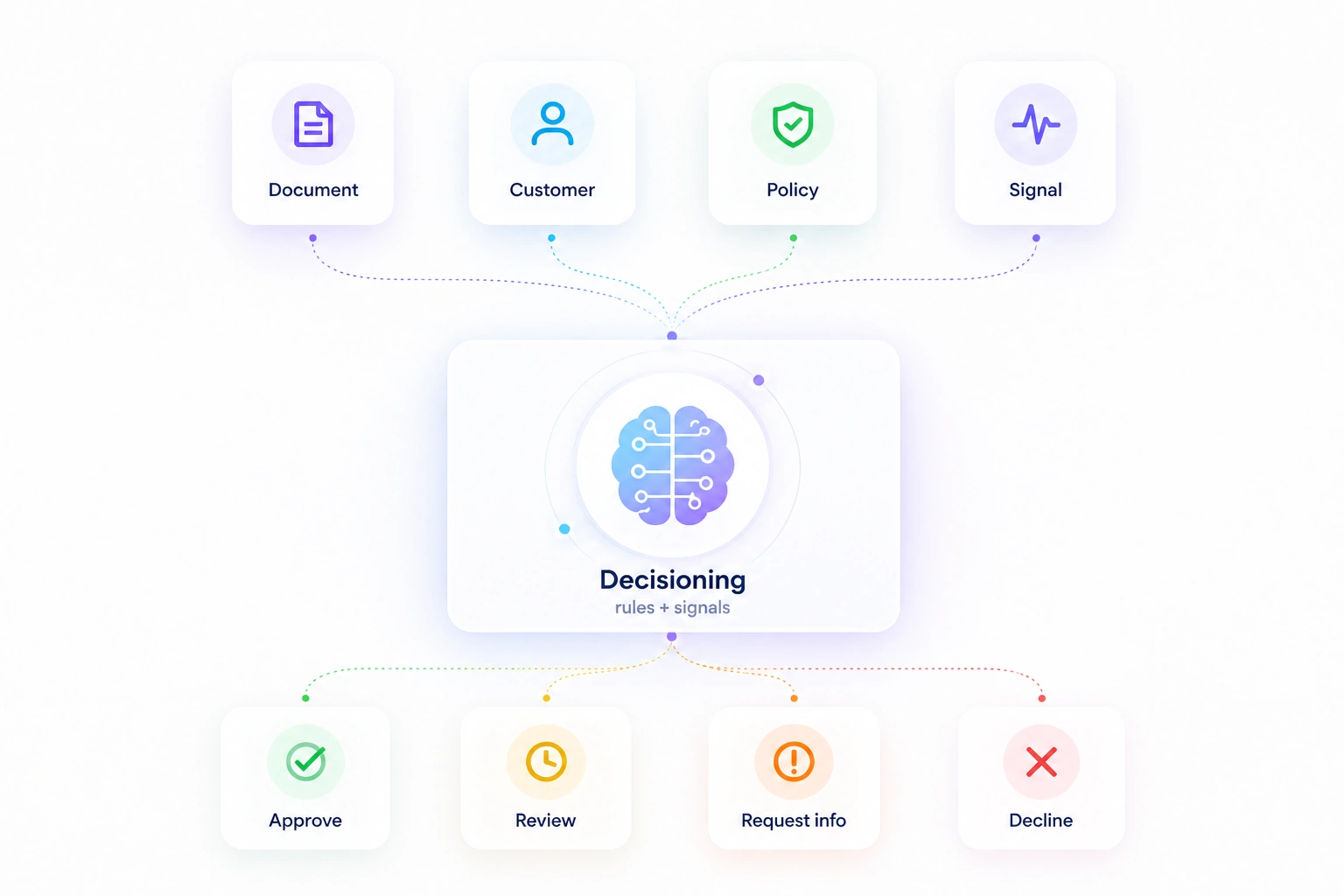
Where current ownership cannot be confirmed, the right outcome is not always another inferred name. The case may need enhanced due diligence, additional documents or a decision made with an explicitly recorded limitation. That uncertainty should remain visible to reviewers and in the audit trail.
What teams should review
- Does each ownership record retain its source, date, jurisdiction and legal entity?
- Can the workflow distinguish share ownership, economic interest and voting control?
- Are historical records prevented from being presented as current ownership without supporting evidence?
- Does a change of domicile or corporate structure reopen the ownership assessment?
- Can reviewers compare conflicting records without one source silently overwriting another?
- Can a case remain unresolved when the evidence does not support a confident UBO conclusion?
- Are later filings, company responses and independent assurance reports linked to the original decision and review history?