OFAC targets fraudulent ship registries supporting Iran’s shadow fleet
OFAC says fraudulent registries supplied false flags to sanctioned vessels, showing why maritime KYB must verify the authority behind registry records.

What happened
On 4 November 2026, the U.S. Treasury announced that OFAC had designated India-based Suniel Kumar Sharma, Jaspreet Preeti Shahid and a group of related individuals and companies. Treasury says the network created fraudulent maritime registries and supplied false flags and certifications to sanctioned vessels transporting Iranian petroleum, including vessels operating for Iran’s military and its proxies.
According to Treasury, the network built websites that purported to provide flagging services for several countries and, in some cases, continued operating after the relevant governments withdrew or denied authorization. Treasury highlighted the Singapore-based Eswatini Maritime registry, which it says continued flagging vessels after being publicly disavowed by Eswatini.
Alongside the designations, OFAC issued a maritime sanctions alert. It identifies warning signs including unknown flags, mismatches between a vessel’s reported flag and its Maritime Mobile Service Identity prefix, claims involving jurisdictions without a known registry and registration documents that cannot be verified.
Why it matters for KYB teams
A professional website or registration certificate does not establish that the issuer is authorized by the country it claims to represent. Maritime KYB needs to verify the authority behind the record, not only the information printed on it.
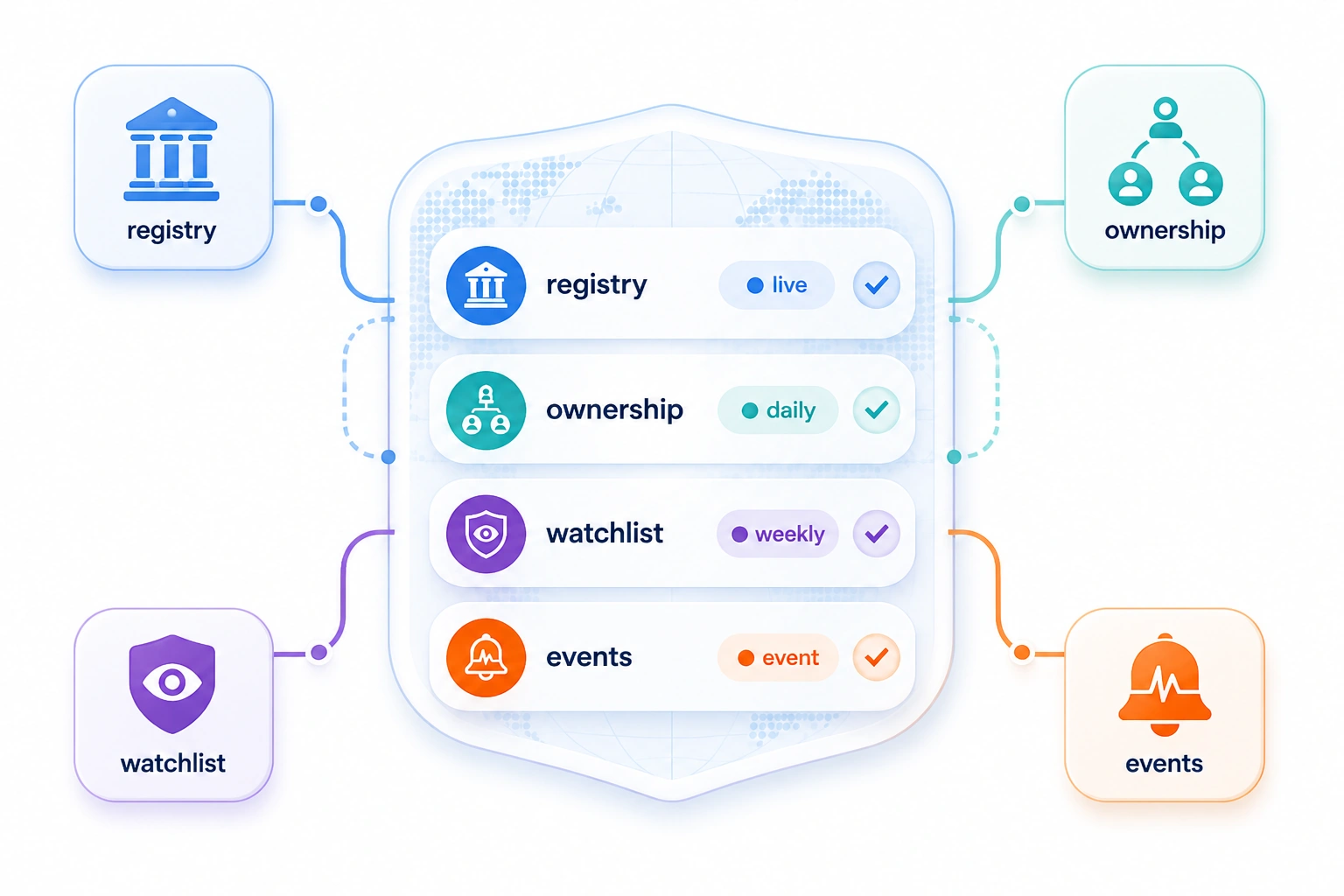
The registry operator, domain, flag state, IMO number, MMSI, owner, manager, classification society and insurer should form one connected risk picture. Contradictions between those sources may be more significant than any single screening result.
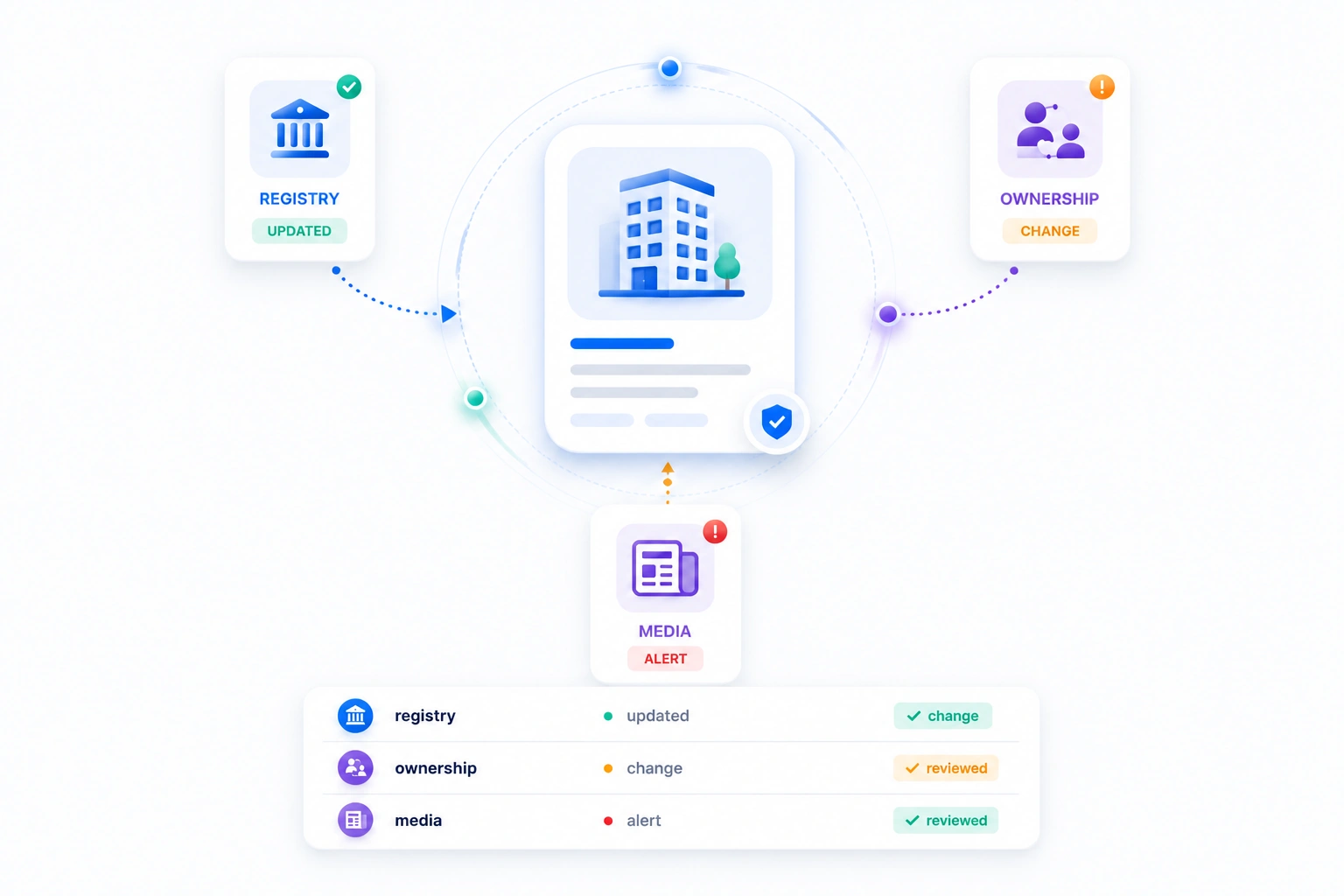
Registry authority can also change after onboarding. Government disavowals, revoked authorizations, flag changes and newly sanctioned service providers should feed into continuous monitoring and reopen the review when the evidence no longer supports the existing conclusion.
What teams should review
Maritime KYB, sanctions and trade-finance teams should review:
- Is the registry officially authorized by the jurisdiction it claims to represent?
- Does the registry domain match official government and IMO records?
- Are the vessel’s flag, IMO number, MMSI, owner, manager, class and insurer consistent across sources?
- Do repeated flag changes or unverifiable documents trigger enhanced due diligence?
- Are registry operators and other maritime service providers screened alongside the vessel?
- Can government disavowals, revoked authority and new sanctions links trigger a documented reassessment?