Glencore says Radiant World used falsified trade documents with financial institutions
Glencore says falsified invoices, contracts and emails were sent to financial institutions, exposing the limits of document-only verification.
What happened
On 15 September, Glencore said it had confirmed evidence that Radiant World, Sapphire Minmetals and associated companies sent falsified invoices and contracts, as well as fabricated emails that they fraudulently claimed came from Glencore personnel, to a number of financial institutions.
Glencore said it is reviewing its historic business activities with the companies, has stopped doing business with them and has exited all obligations. It also said it had incurred losses and been exposed to risks through the relationships. Radiant World and Sapphire Minmetals have separately said they hold substantial claims against Glencore; Glencore says those claims are without merit and will contest them.
The new statement adds primary-source confirmation to concerns that had already reached financial institutions. Reuters reported on 11 September that Mizuho Bank had provided roughly $100 million in credit to Radiant World in June, secured against invoices that purported to document iron-ore sales to Glencore. Glencore later told Mizuho it did not recognise the invoices. Radiant World has previously described allegations that it supplied invalid invoices to raise funding as inaccurate and unsubstantiated.
The Glencore statement does not establish a final court or regulatory finding against Radiant World or the associated companies. Its significance for KYB teams is narrower: apparently plausible commercial evidence can refer to genuine companies and still fail when the purported counterparty is asked to confirm the underlying relationship.
Why it matters for KYB teams
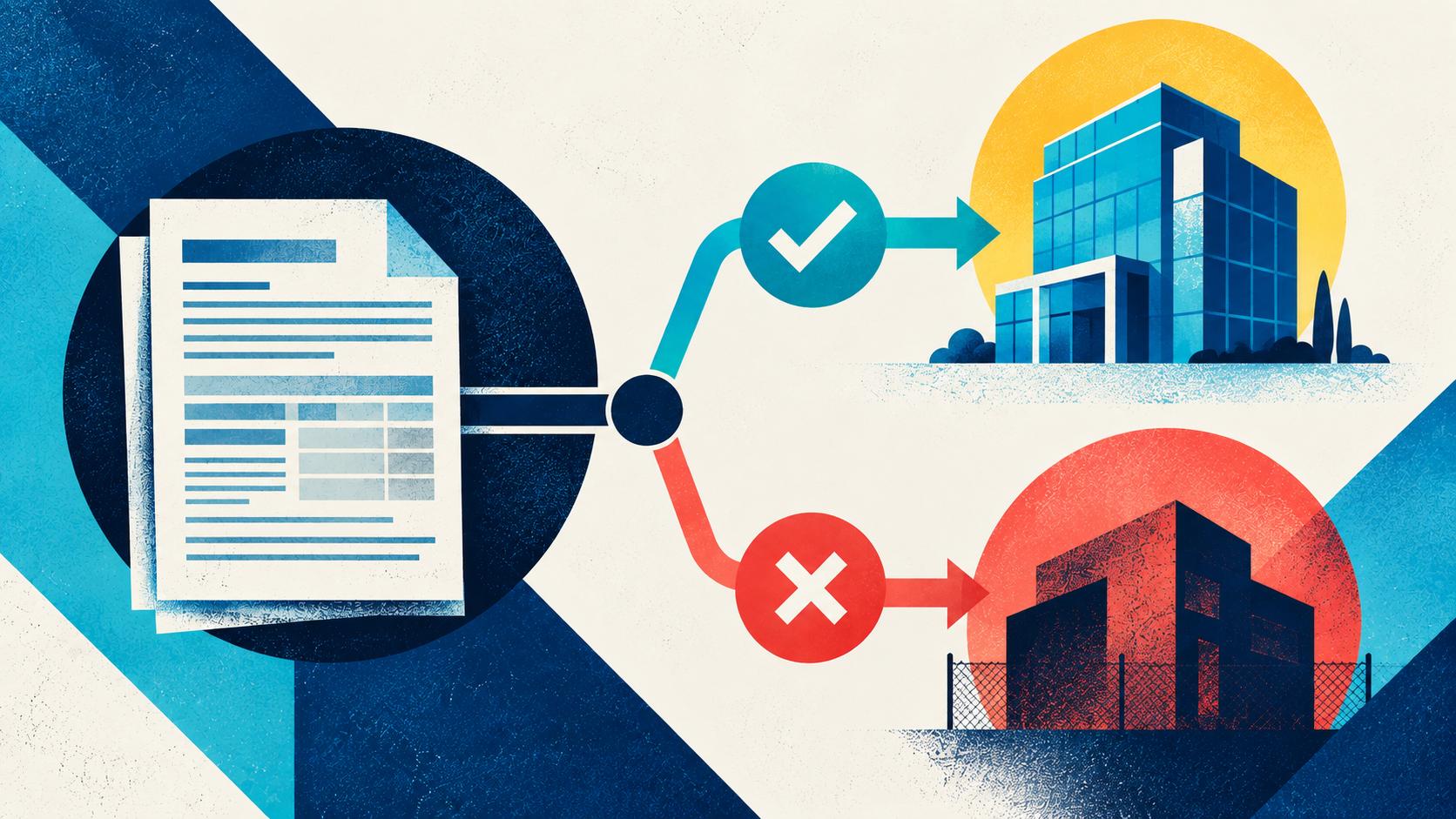
The case highlights the difference between checking whether a document looks credible and verifying whether the commercial relationship it describes is real.
An invoice or contract can contain genuine company names, realistic transaction details and apparently authentic correspondence. If a financing, onboarding or risk decision materially depends on that evidence, the control may need to go beyond document inspection and confirm the relationship through an independent channel.
That independence matters. Using a telephone number, email address or contact supplied inside the same evidence package can simply reproduce the original risk. Higher-risk cases may require corroboration through an independently sourced counterparty contact, authoritative company information, transaction evidence or another source that does not depend on the customer-provided document.
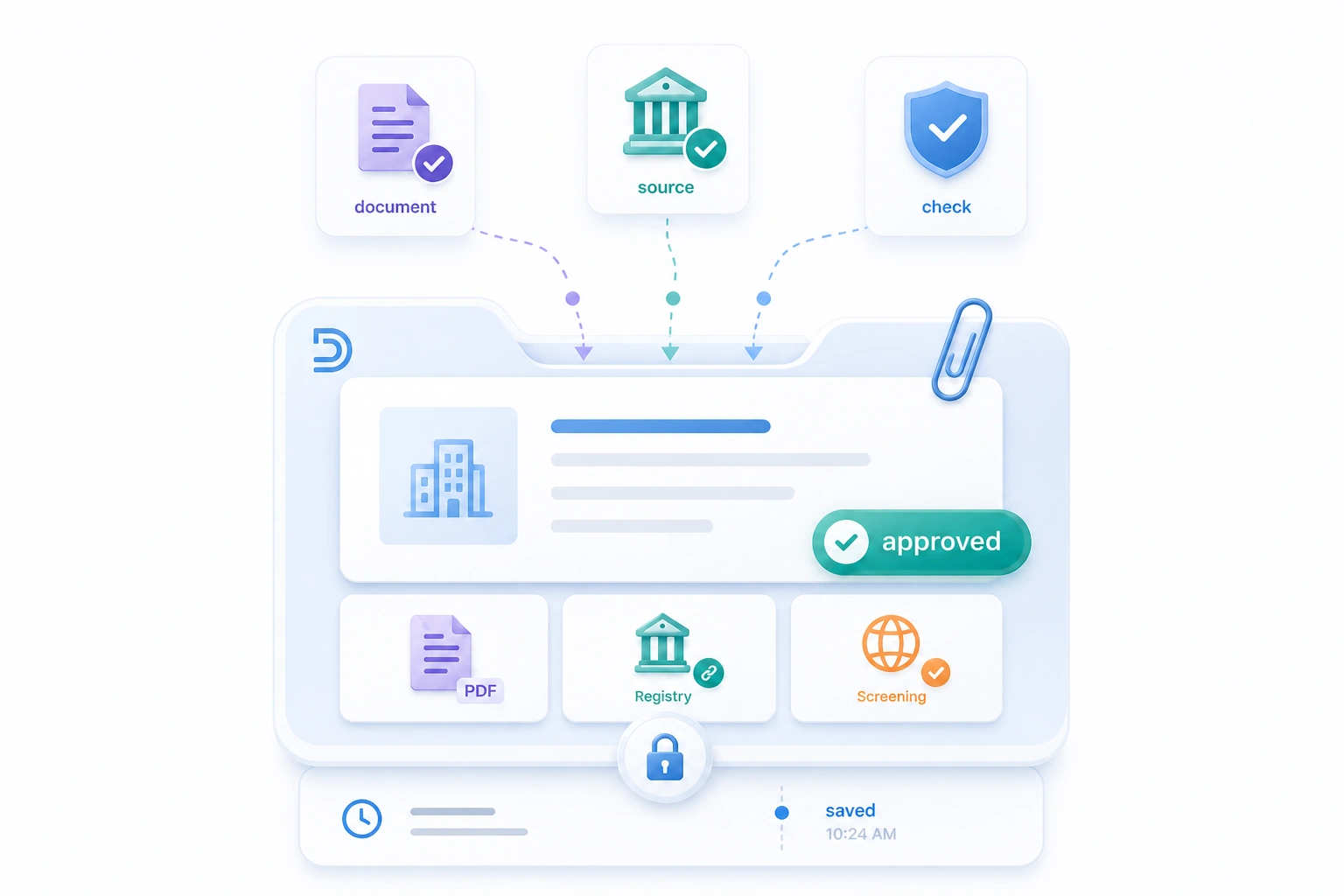
For KYB workflows, the result should remain connected to the business record. The original evidence, verification source, timestamp, discrepancy and reviewer decision should be preserved rather than reducing the outcome to a simple verified/unverified flag. A connected audit trail makes it possible to reconstruct what evidence was trusted and why.
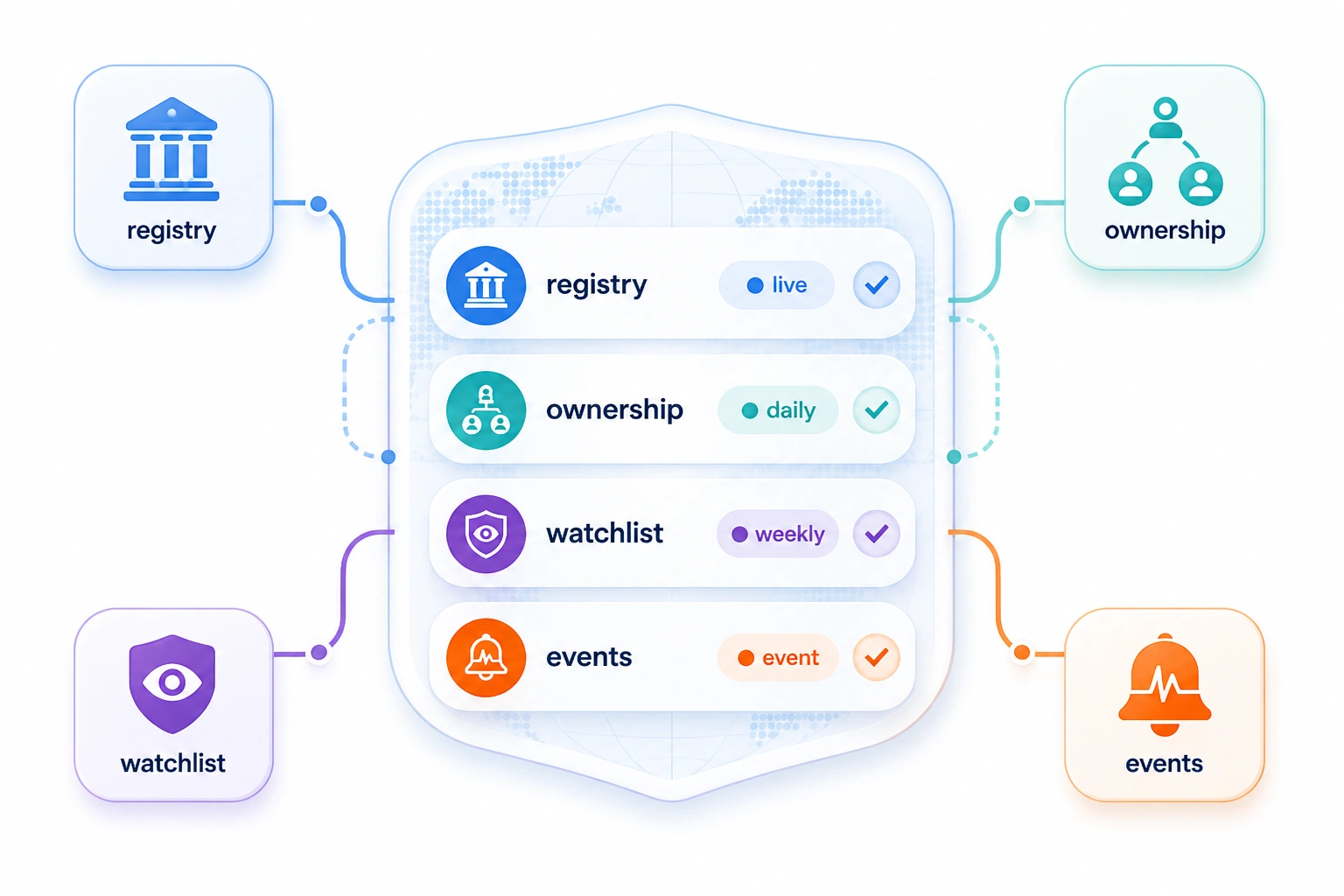
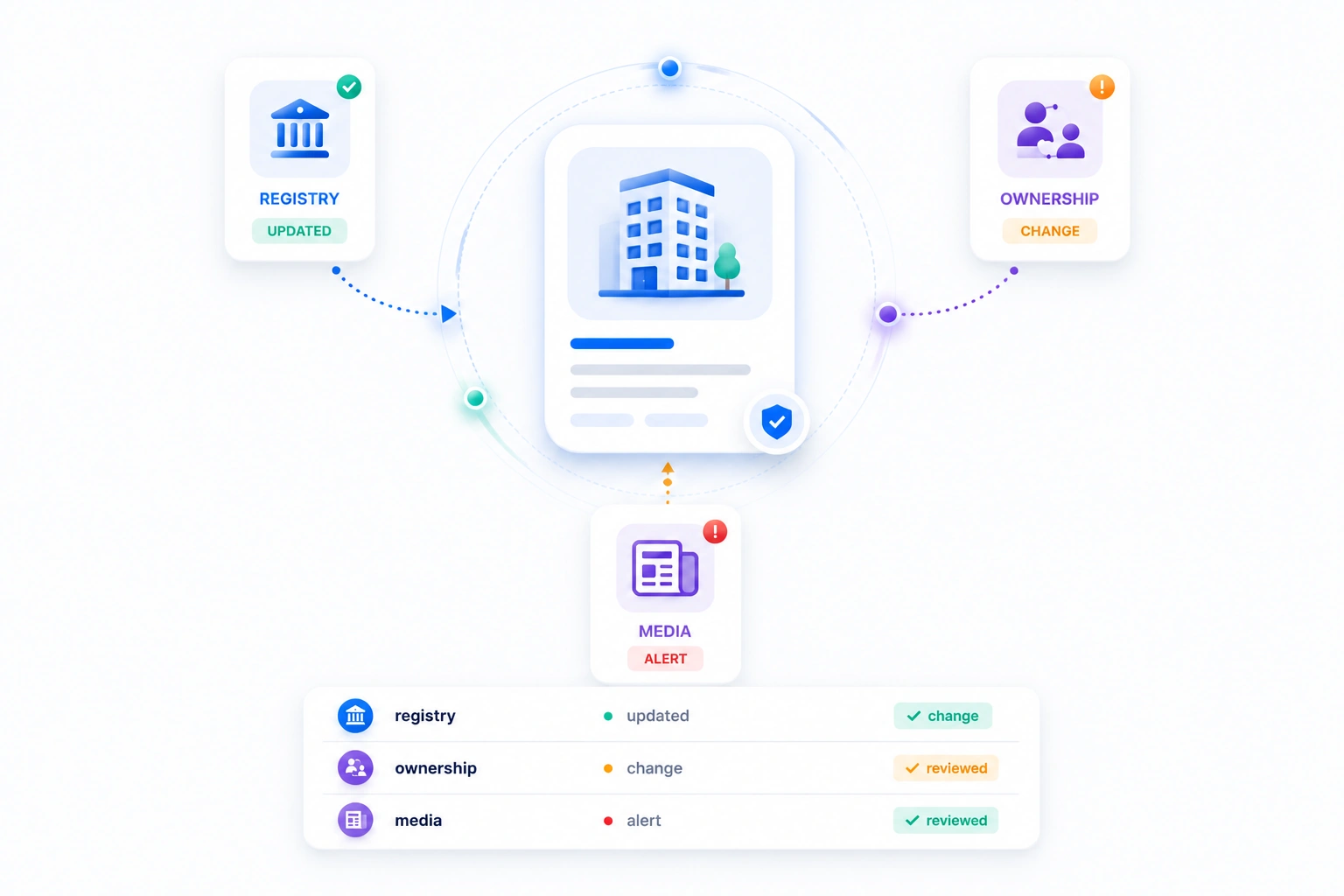
The case also illustrates why ongoing monitoring can matter after onboarding. If a key counterparty later disputes invoices, contracts or communications associated with an existing customer, that new information may change the risk assessment even when the customer's registry status and ownership have not changed.
What teams should review
- When a decision materially depends on an invoice, contract or receivable, is the underlying counterparty relationship independently corroborated?
- Are verification contacts obtained independently rather than solely from the document or customer being checked?
- Can reviewers distinguish document authenticity from confirmation that the purported issuer or counterparty recognises the transaction?
- Are discrepancies between customer evidence and counterparty confirmation preserved and escalated rather than overwritten?
- Does the case record retain the source, date and method used to corroborate important commercial evidence?
- Can new adverse information about a major counterparty trigger re-review of existing customers and prior decisions?
- Where several institutions rely on the same commercial evidence, can the team identify which decisions were exposed if that evidence is later challenged?