Reuters uncovers 5,000-entity Iranian procurement network
Reuters traced more than 5,000 Iranian military agencies beyond Western sanctions lists, showing why monitoring must connect entities, records and trade flows.
What happened
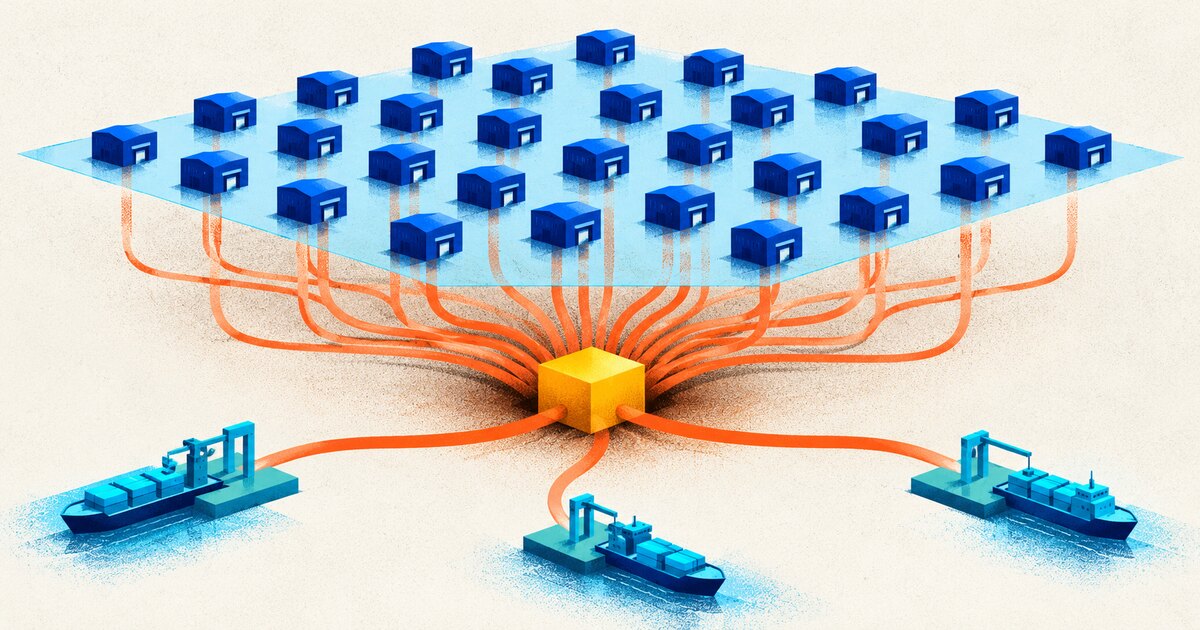
On 29 October 2026, Reuters reported that Iran had used more than 5,000 numbered military agencies to procure hardware, explosives and dual-use goods through a network extending across several jurisdictions.
Reuters and 240 Analytics identified the agencies through shared registration details and traced them across Iranian bank and government records, corporate filings, invoices, bills of lading and about 19,000 import records. One agency, MOD 346428, was linked to $2.3 billion in imports between January 2025 and June 2026.
Reuters found no evidence that the numbered agencies it reviewed had been designated by Western governments. It also reported that 97% of the reviewed shipments were settled without a cross-border currency transfer, with overseas intermediaries and front companies using funds held abroad. Iranian entities contacted did not respond; several foreign companies said they had no knowledge of, or control over, third-party exports. U.S. Treasury reporting has separately described how MODAFL uses foreign cover companies and exchange houses to move oil revenue and procure materiel.
Why it matters for KYB teams
The investigation shows why a clean sanctions-screening result is not the same as low sanctions risk. A counterparty may be absent from a list while sharing identifiers, funding routes or trade relationships with a sanctioned network.
KYB controls need to connect company records with bank relationships, invoices, shipping data, suppliers, end users and payment methods. Shared addresses, incorporation details or intermediaries can turn apparently separate entities into one risk picture.
That picture also changes over time. Newly discovered links, trade routes or counterparties should trigger continuous monitoring and a documented reassessment rather than waiting for a formal designation.
What teams should review
KYB, sanctions and trade-compliance teams should review:
- Can screening surface aliases and shared identifiers, not only exact legal names?
- Can separate customers be linked through addresses, accounts, signatories and intermediaries?
- Are suppliers, end users, shipping routes and payment methods checked when risk is elevated?
- Do third-party or non-cross-border settlements trigger source-of-funds and economic-purpose review?
- Do new investigative or sanctions links prompt reassessment across the connected network?
- Does the audit trail preserve source, date and confidence while distinguishing findings from established facts?