Switzerland’s beneficial-ownership register is now operational
Switzerland’s non-public TranspaReg is now live, giving authorised financial intermediaries a new ownership source and a route for reporting discrepancies.

What happened
On 1 October 2026, Switzerland’s new Act on the Transparency of Legal Persons and the Identification of Beneficial Owners entered into force alongside the revised Anti-Money Laundering Act. The date also marks the move of the Swiss Transparency Register, TranspaReg, into ordinary operation following a pilot that ran until 30 September.
TranspaReg is a central, non-public register managed by the Federal Office of Justice. It records the natural persons who ultimately control entities covered by the legislation. The Swiss authorities define a beneficial owner as a person who ultimately holds at least 25% of the capital or voting rights, or exercises control by other means. Control can be direct or indirect and may be exercised alone or jointly.
The reporting obligation covers most Swiss legal entities, including public limited companies, limited liability companies and cooperatives, as well as certain foreign legal entities with a Swiss branch, effective administration in Switzerland or qualifying Swiss real-estate ownership. Covered entities must identify and verify their beneficial owners, report the information and keep it accurate and current.
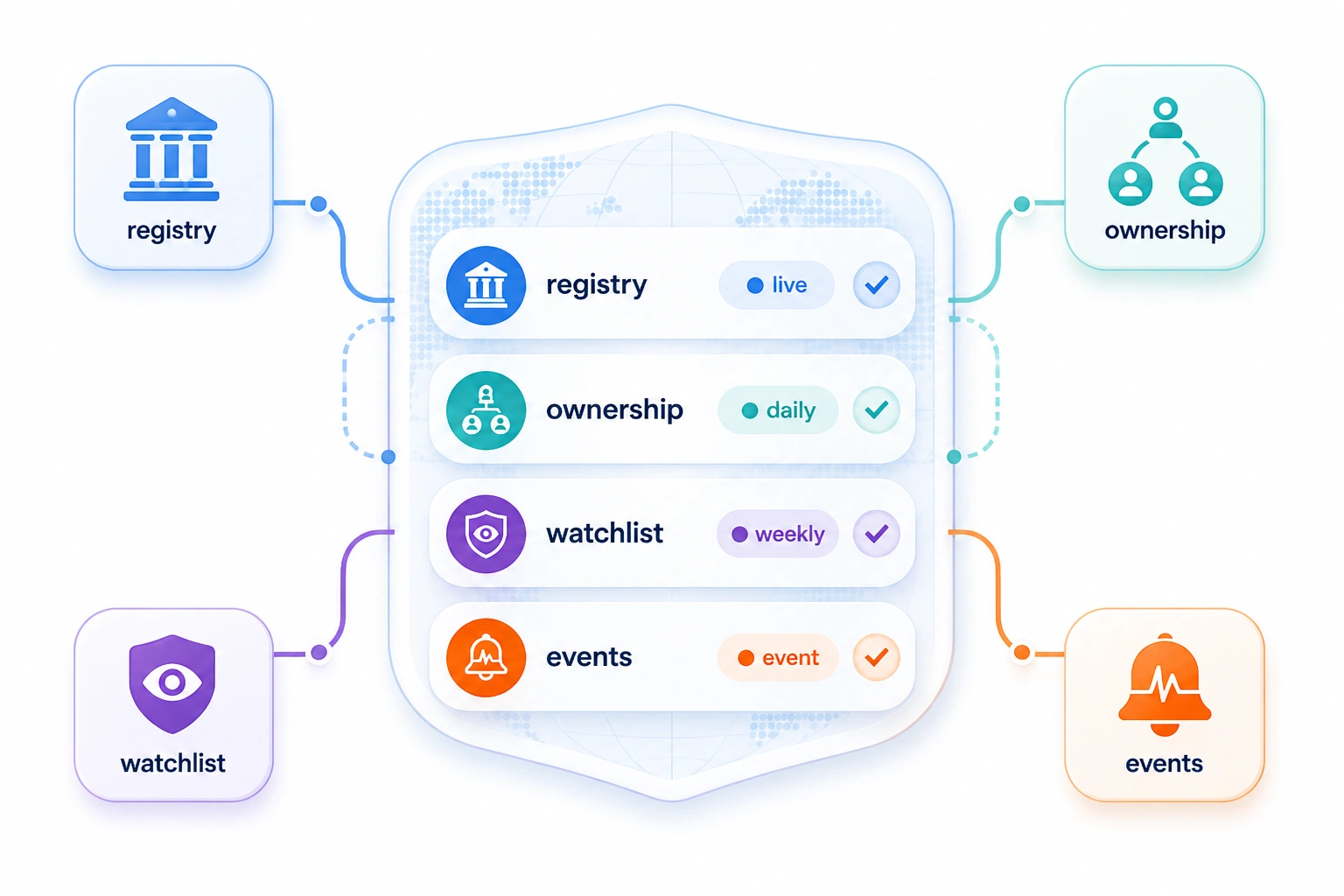
The register is based on self-declaration. It can be accessed for legally defined purposes by designated authorities, financial intermediaries and certain advisers, but not by the general public. Authorised users can access it through EasyGov or, for higher query volumes, an API. Financial intermediaries and authorities can also report differences between register data and the information available to them.
The launch should not be interpreted as complete population coverage from day one. The Federal Council’s implementation notice states that 1 October begins the transition periods for affected legal entities to register. Early searches may therefore need to distinguish a genuine ownership conflict from an entity that is exempt, outside scope or still within its registration period.
Why it matters for KYB teams
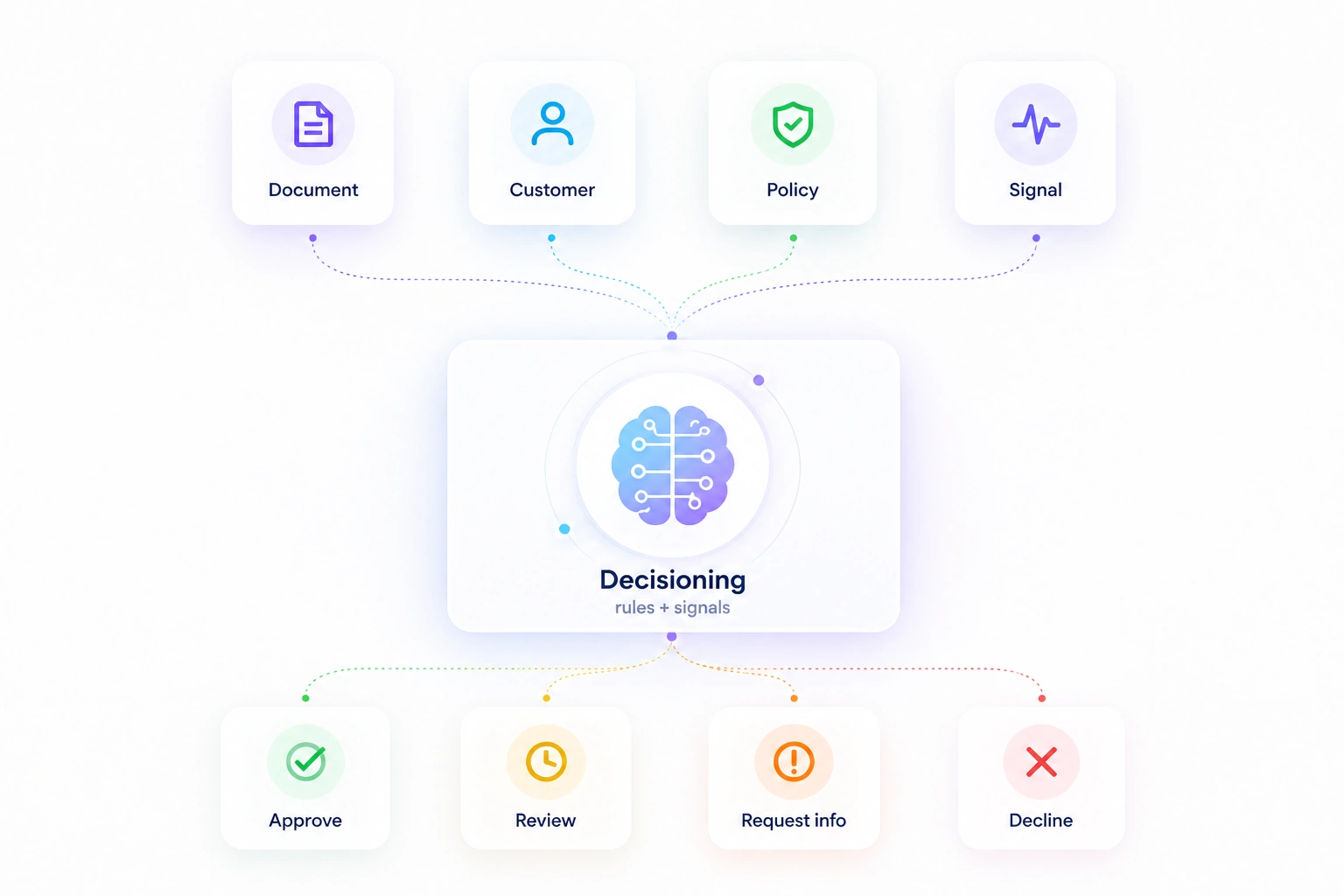
TranspaReg adds an important ownership source, but it does not remove the need to reach a defensible ownership conclusion. Because the register is self-declared and will be populated during a transition period, its value comes from comparison with customer declarations, corporate records, structure charts and other supporting evidence.
A match can strengthen confidence in an ownership conclusion. A difference should remain visible and be classified before anyone changes the case record. It may reflect stale customer information, a recent ownership change, a difference in how indirect control was interpreted or an error in one of the sources. Silently replacing one version with another would destroy the evidence needed to explain the final decision.
The control test also matters. A workflow that looks only for shareholders at or above 25% can miss contractual influence, indirect ownership and people acting jointly. The system should preserve both the ownership chain and the reasoning used to determine who ultimately exercises control.
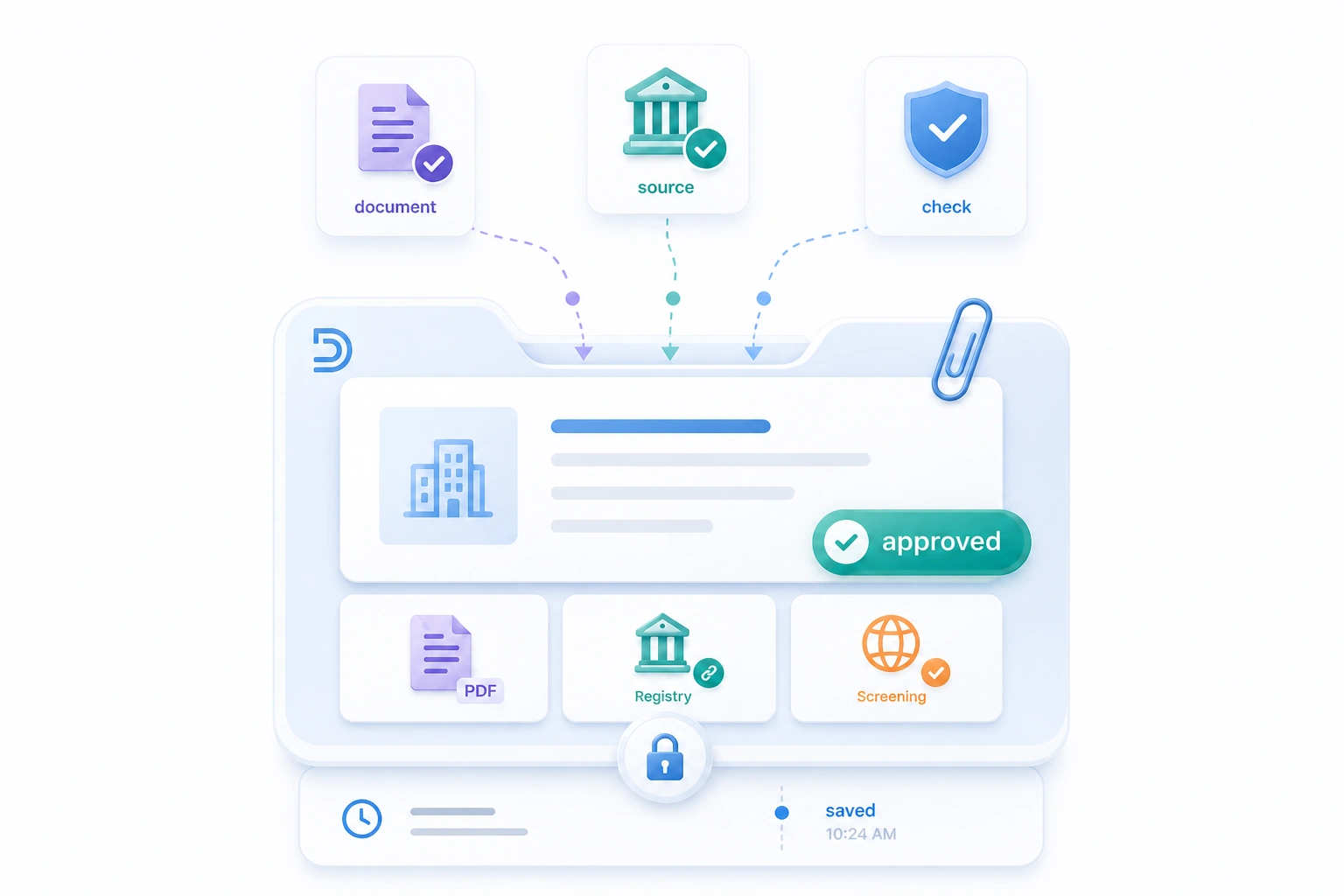
Access design becomes part of the control environment because the register is not public. Teams need to define who may query it, record when a search occurred and retain the relevant result with the case. High-volume users may also need to connect API responses to their existing KYB workflow without flattening source dates, confidence or discrepancy status.
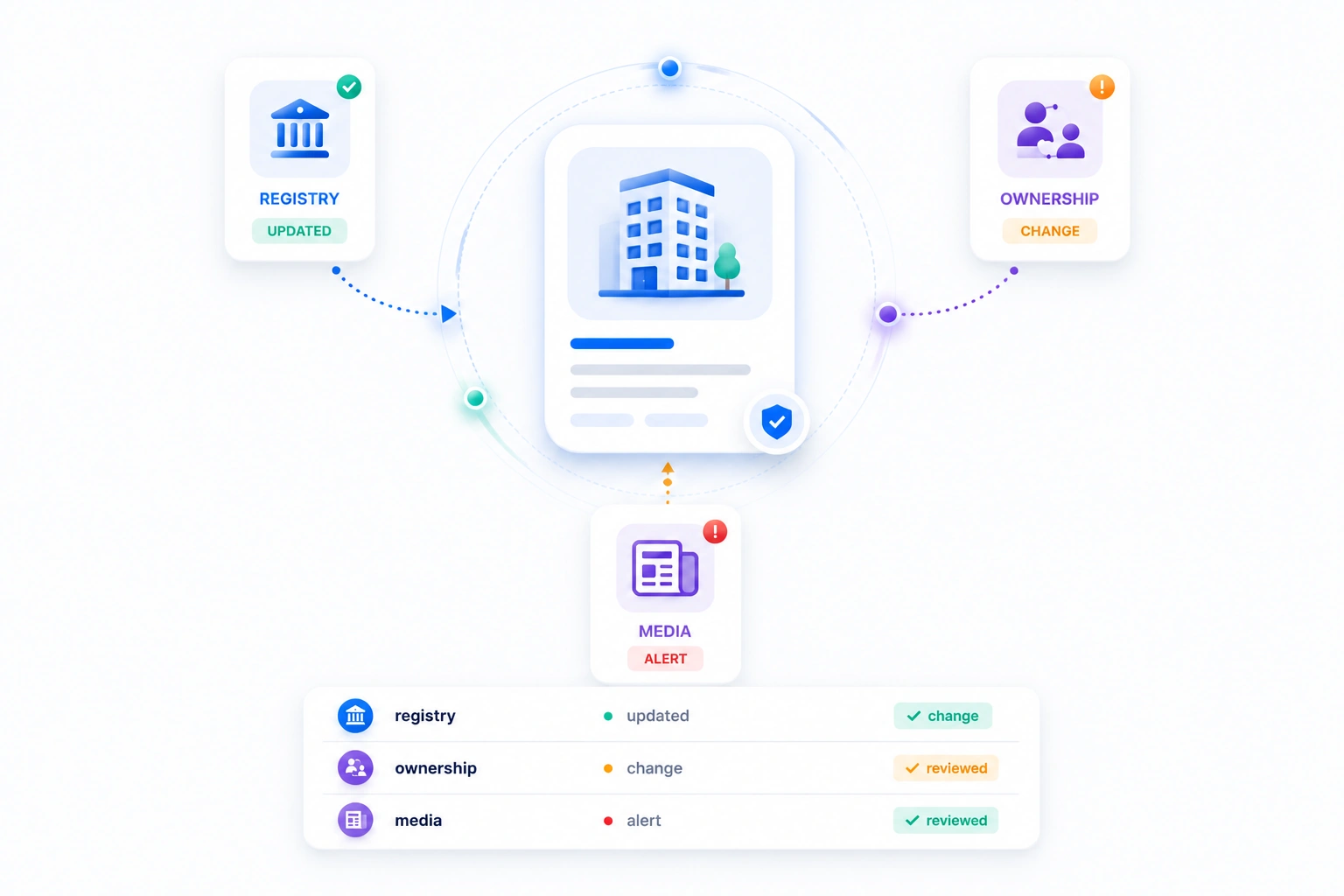
Finally, register data should not remain an onboarding snapshot. A later ownership update, a discrepancy report or new evidence from the customer can change the risk picture. Those events should be able to reopen the case through a controlled continuous-monitoring process, with the previous conclusion and the reason for revision retained.
What teams should review
- Can the workflow determine whether an entity is within scope, exempt or still inside an applicable transition period?
- Does ownership analysis cover indirect control, joint control and control by other means—not only the 25% threshold?
- Are TranspaReg results stored separately from customer declarations and other ownership evidence?
- Can reviewers distinguish no record, incomplete coverage, a recent change and a genuine discrepancy?
- Is there a documented process to investigate, resolve and, where required, report differences?
- Are register queries restricted to authorised users and logged with the source, date and relevant legal entity?
- Can API or EasyGov results enter the case without overwriting provenance, confidence or reviewer notes?
- Do ownership changes and unresolved discrepancies trigger re-review and preserve the earlier decision history?