Thai SEC alleges hidden control of VGI through three offshore funds
Thailand’s SEC says three foreign investors shared funding and connected UBOs, allegedly concealing a control group with more than 25% of VGI’s voting rights.

What happened
On 27 October 2026, Thailand’s Securities and Exchange Commission and the Economic Crime Suppression Division announced enforcement action against a network of Thai and foreign individuals accused of using overseas entities and funds to conceal the ultimate beneficial owners of newly issued shares in VGI Public Company Limited.
The case concerns three investors that subscribed for VGI shares through a private placement. The SEC says they shared a common source of funding and that their UBOs were connected in a way that constituted acting in concert under Thailand’s capital-market rules.
Based on the evidence available at this stage, the SEC considered their aggregate holdings to exceed 25% of VGI’s voting rights. The regulator alleges that the investors and connected UBOs failed to report the acquisition as persons acting in concert, did not make the required tender offer for the company’s securities and submitted inaccurate or false information.
The ownership conclusion required evidence from outside Thailand. The SEC obtained information from foreign regulators through the IOSCO Enhanced Multilateral Memorandum of Understanding and combined it with the ECD’s investigation of domestic activity. Investigators used the combined material to trace cross-border financial flows, analyse multilayered shareholding structures and identify the people behind the registered shareholders.
The ECD obtained arrest warrants for six suspects and formally charged a seventh. The alleged offences include securities-reporting and tender-offer violations, participation in a secret society and conspiracy to commit money laundering. The SEC stressed that these are initial proceedings and that the suspects are not considered guilty unless and until a final court judgment establishes the offences.
Supporting Thai reporting says six suspects were believed to be abroad and that the seventh denied the allegations. The action concerns the investors and associated individuals, not VGI itself. In a statement issued on 28 October, VGI said the regulator had confirmed that the company was not involved, trading in its shares remained normal and its operations and management were unaffected.
Why it matters for KYB teams
The registered holder of shares is not always the person or group exercising control. Three funds may appear independent when assessed separately while sharing funding, connected UBOs or coordinated decision-making that makes their combined position materially different.
KYB workflows therefore need to look through every intermediate entity and preserve the relationship between legal ownership, beneficial ownership, voting rights and behavioural control. The analysis should also test whether ostensibly separate investors use the same funding source, adviser, signatory, address, service provider or transaction pattern.
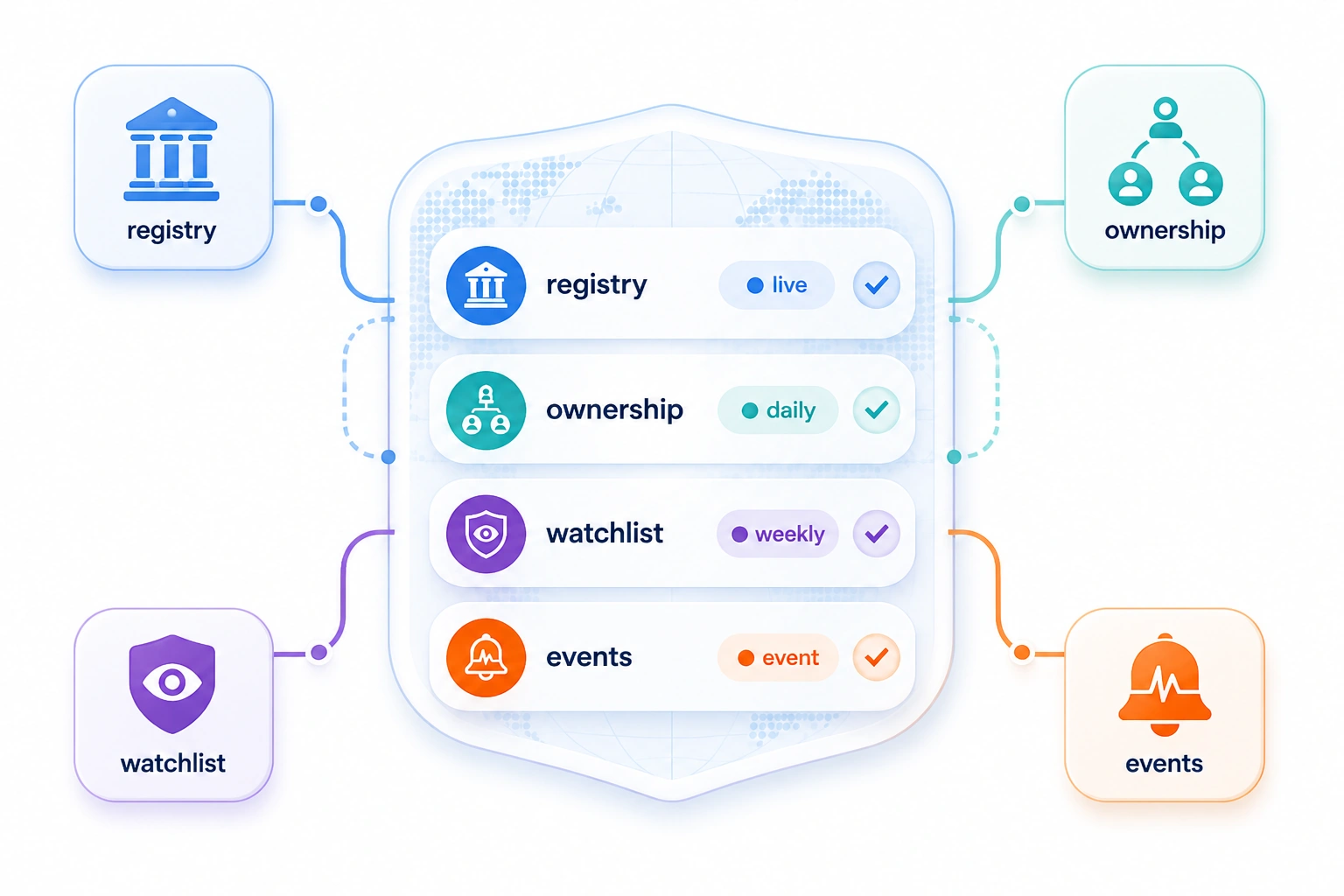
Thresholds matter at network level. If each holding is assessed in isolation, a group may remain below disclosure or takeover thresholds on paper while exceeding them once connected parties are aggregated. Effective data coverage should support that aggregation across funds, companies and jurisdictions rather than treating every registry entry as an unrelated customer.
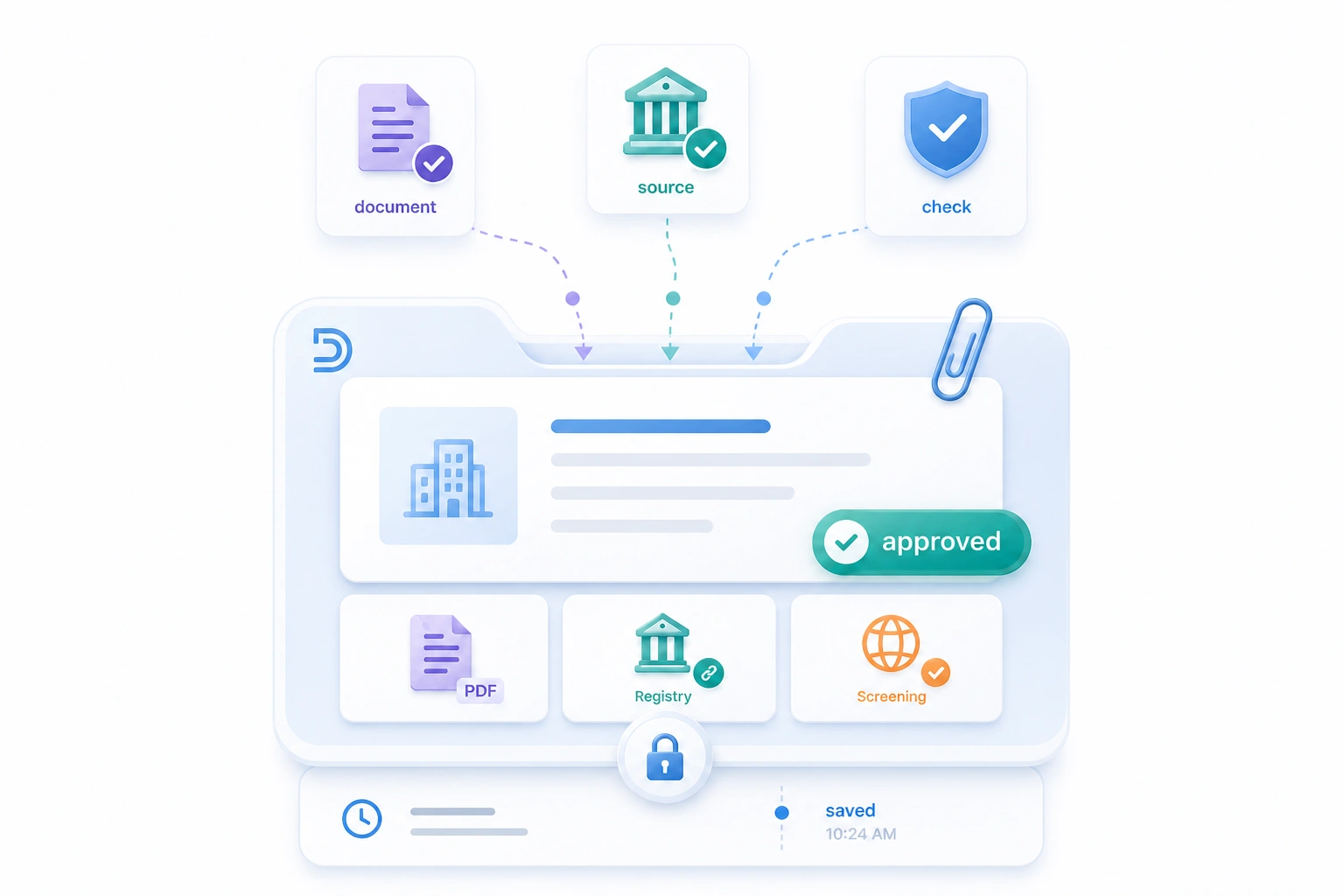
The case also illustrates the value of cross-border evidence. Domestic share registers may identify the immediate holder but not the individuals behind a foreign fund or layered vehicle. Source provenance needs to remain visible so reviewers can distinguish customer declarations, corporate records, foreign-regulator information and investigative conclusions.
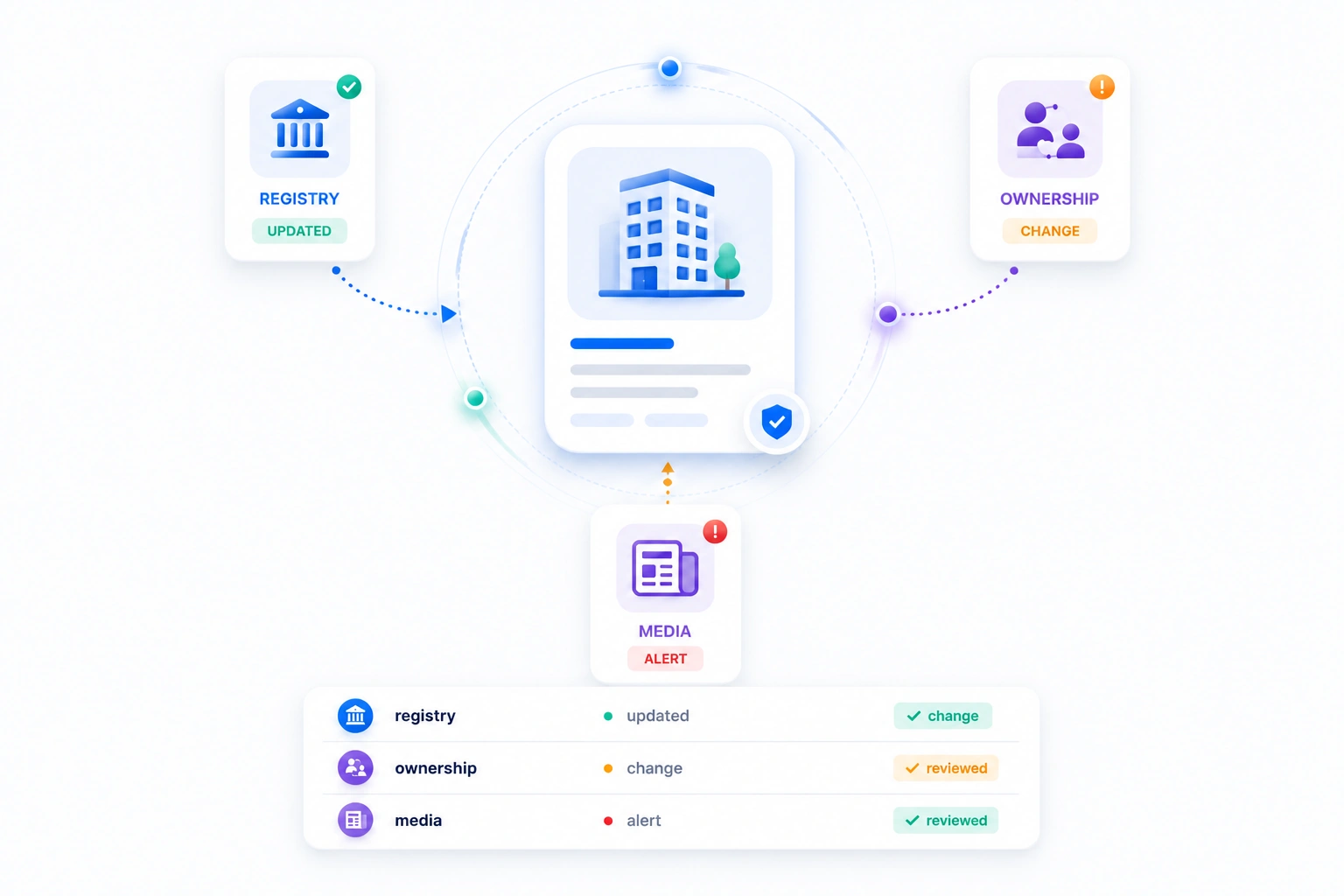
Control is not static. New share subscriptions, transfers between connected vehicles, changes in funding or newly identified relationships may alter the aggregate position. Those events should feed into continuous monitoring and reopen the ownership assessment when the existing conclusion is no longer supported.
What teams should review
Teams responsible for KYB, ownership analysis and investment monitoring should review the following:
- Can the workflow identify the UBOs behind every fund, nominee and intermediate holding vehicle?
- Does the review test whether apparently separate investors share funding, advisers, signatories, addresses or service providers?
- Can voting rights and shareholdings be aggregated across connected persons and entities in multiple jurisdictions?
- Are disclosure, control and mandatory-offer thresholds evaluated against the connected group rather than each registered holder separately?
- Are customer declarations, corporate records and foreign-regulator evidence retained separately with their source and collection date?
- Do new subscriptions, transfers, funding changes or newly discovered relationships automatically trigger reassessment?
- Can reviewers reconstruct the path from the source of funds through intermediate vehicles to the final shareholding?
- Does the audit trail distinguish allegations and preliminary findings from facts established by a final decision?