UK Treasury asks firms to demonstrate real-world AML outcomes
Editorial illustration of an AML filter stopping a high-risk business card and preserving a visible evidence trail of the outcome.

What happened
HM Treasury is inviting regulated firms to submit case studies for potential inclusion in the UK’s evidence pack for its next Financial Action Task Force mutual evaluation.
The evaluation begins with a desk-based review in October 2026, followed by an onsite assessment in June 2027. The UK’s written submissions need to demonstrate how effectively its anti-money laundering, counter-terrorist financing and sanctions frameworks operate against the 11 measures of effectiveness in FATF’s methodology.
HM Treasury is asking for examples from 2022 onwards, with more recent cases preferred. Relevant outcomes include decisions not to onboard a customer, the termination of an existing relationship, the prevention of suspected money laundering, terrorist financing or proliferation financing, and interventions that contributed to an investigation or prosecution.
The request also covers cases where a firm identified a financial-crime typology or risky customer profile and changed its approach as a result. Examples may show how risk understanding, preventive measures or the types of customers a firm accepts evolved after engagement with supervisors or the publication of new risk assessments.
Submissions are due by close of business on September 7. HM Treasury asks firms to provide clear timelines and concise, outcome-focused evidence, remove personal or identifiable customer information and flag any restrictions applying to sensitive or ongoing cases.
The Guardian reported the request on August 30, alongside confirmation from a Treasury spokesperson that the government was engaging with industry as part of its preparations for the FATF assessment.
This is an evidence-gathering exercise rather than a new AML regulation or mandatory reporting requirement. Its significance lies in the type of proof being requested: what changed because a control identified risk and someone acted on it.
Why it matters for KYB teams
Most firms can demonstrate that checks were completed, alerts were generated and reviews took place. HM Treasury’s request goes further by asking for a traceable connection between those activities and a practical result.
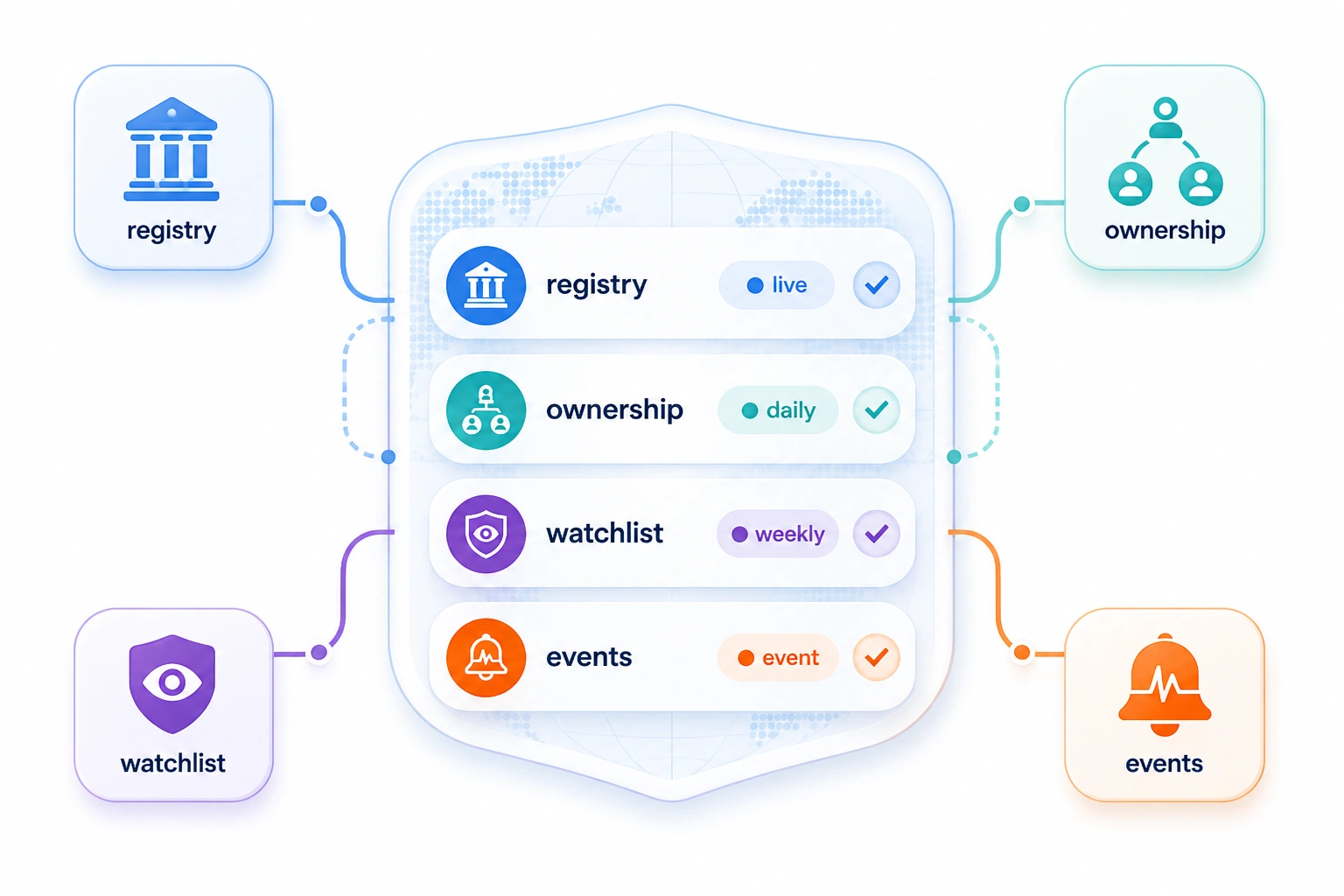
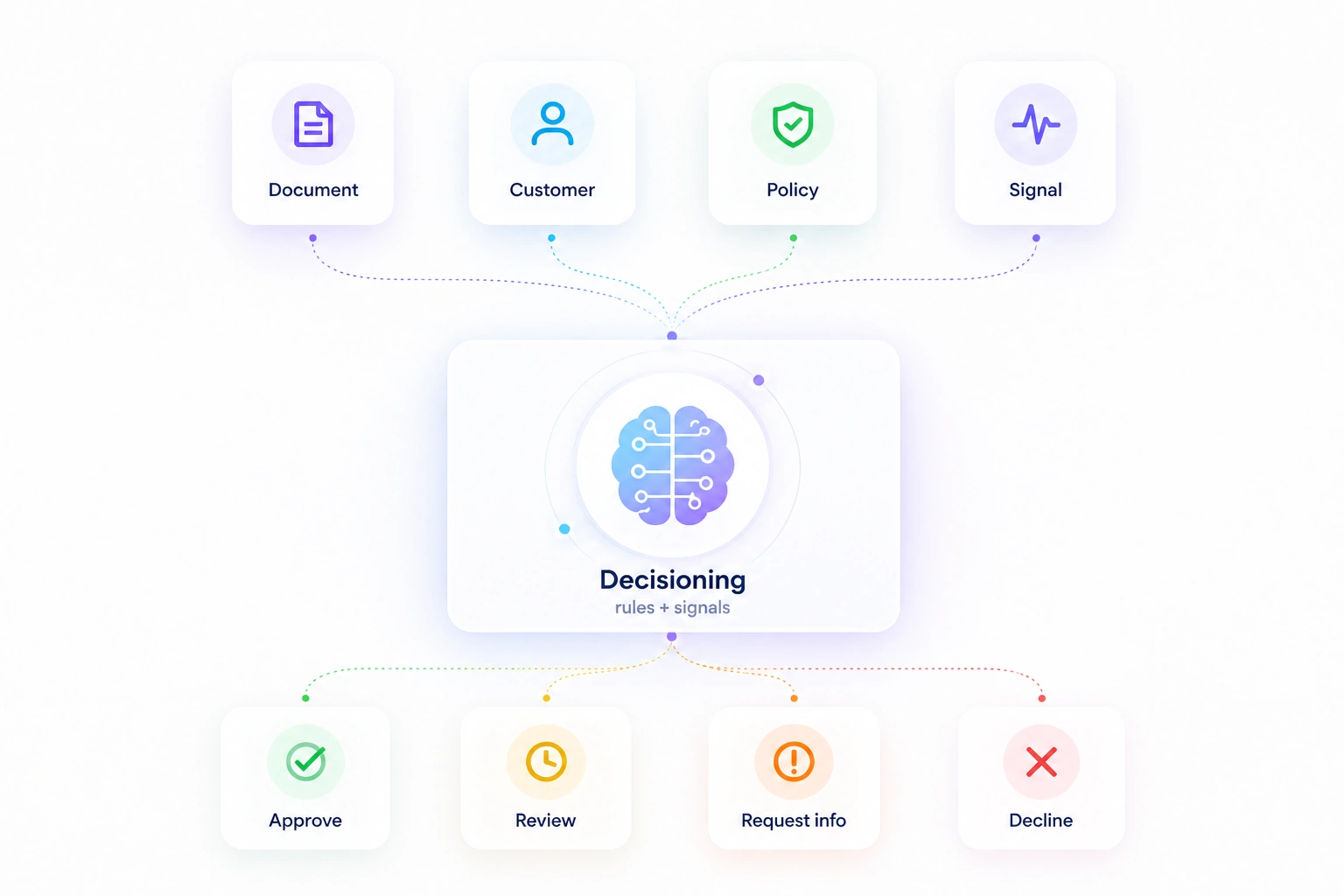
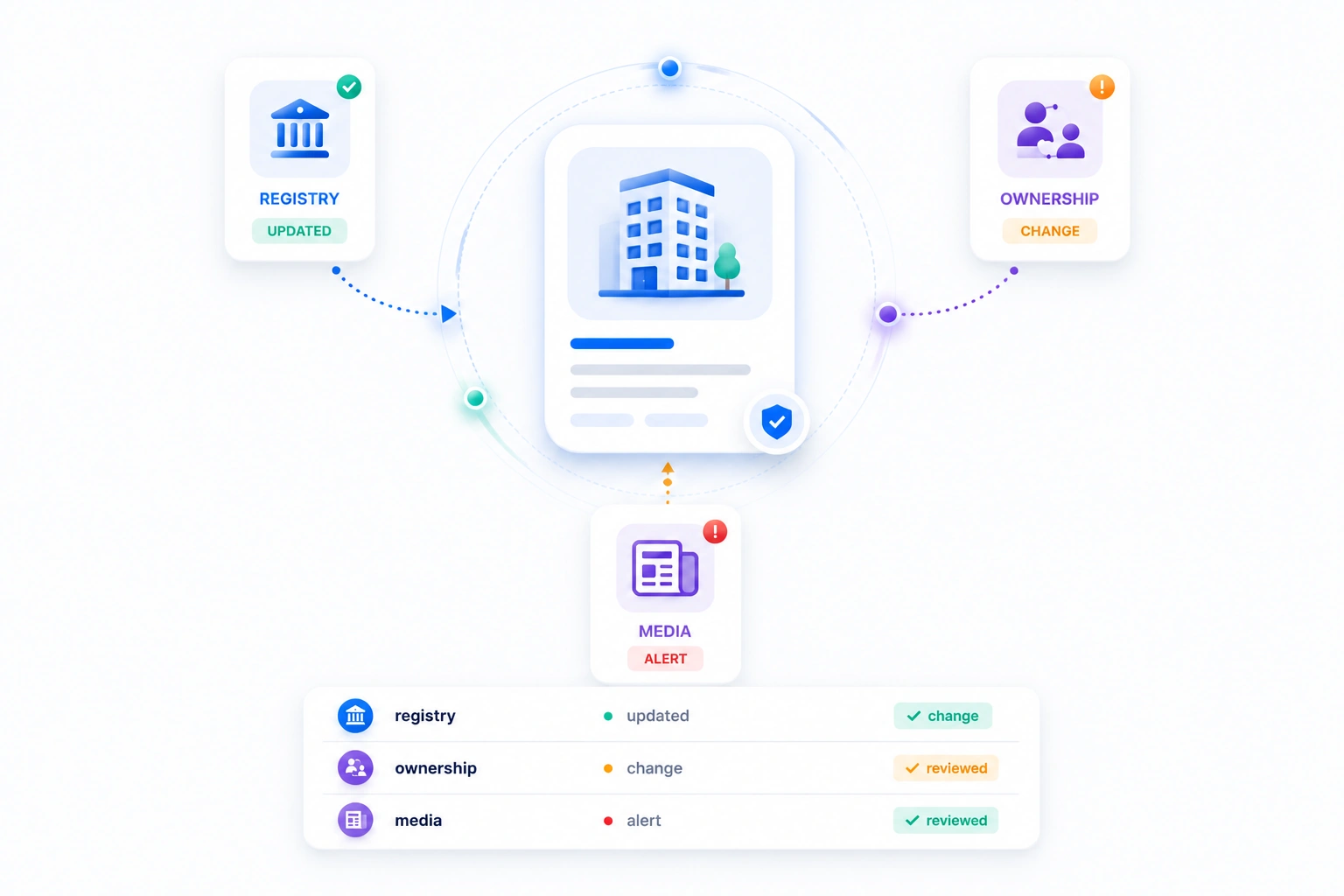
For a KYB team, that connection may begin with a registry discrepancy, ownership gap, sanctions signal, unusual business model or monitoring event. The useful evidence is the complete chain that follows: what was identified, which policy or rule applied, who reviewed it, why the relationship was rejected, restricted or terminated, and whether the case later affected an investigation, typology or wider risk policy.
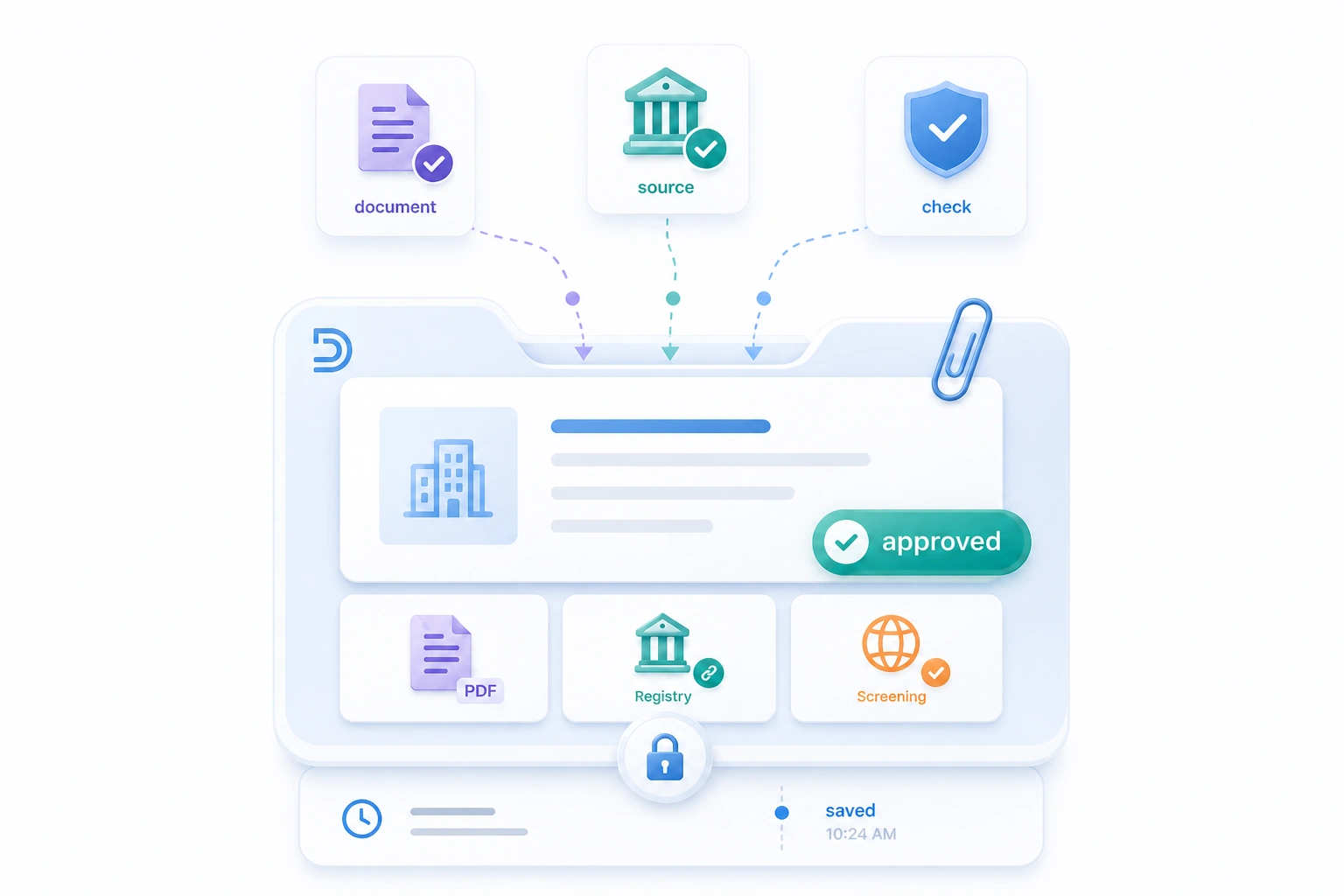
That history is difficult to reconstruct when screening results, reviewer notes, approvals and subsequent actions sit in different systems. A connected KYB audit trail should preserve the source, timestamp, policy version, reviewer rationale, decision and later outcome on the same case record. This allows the firm to explain how the control operated without relying on a retrospective collection of screenshots and emails.
The examples concerning typologies and customer profiles create a second evidence challenge. An effective control framework should learn from individual cases. If one investigation changes an onboarding question, risk factor, threshold or enhanced-due-diligence requirement, the firm needs to show when that change was made, which cases it affected and whether the revised control produced a different outcome.
The confidentiality instructions matter as well. Evidence needs enough detail to be credible while protecting personal information and respecting restrictions around live investigations. That requires structured records and access controls, not simply a persuasive narrative written shortly before an assessment.
The request does not establish a new KYB obligation. It does, however, provide a useful test for existing workflows: can the organisation demonstrate not only that its controls ran, but what those controls prevented, changed or enabled?
What teams should review
- Can each KYB case show a continuous chain from the original risk signal to the review, decision and resulting action?
- Are reasons for rejecting, restricting or terminating a business relationship captured in structured, reviewable fields?
- Is the policy or rule version that shaped each decision preserved with the case?
- Can cases that contributed to external reporting, investigations or enforcement be identified under appropriate access controls?
- When a case reveals a new typology, can the resulting change to onboarding, risk scoring or enhanced due diligence be traced and dated?
- Can the firm produce aggregate outcome evidence without losing the case-level rationale behind the numbers?
- Can evidence be exported, anonymised and supplied with handling restrictions without reconstructing it manually?
- Do monitoring alerts retain their disposition and show whether they changed the customer’s risk rating, review status or relationship outcome?